

Joint Pain In Men: Amazing Truth You Need To Know Revealed
When we talk about joint pain, it’s often a topic surrounded by myths and misconceptions, particularly concerning how it affects different genders. For men, there are specific truths about Joint Pain In Men that are often overlooked, leading to delayed diagnosis and less effective treatment. This article is dedicated to revealing these amazing truths about Joint Pain In Men, shedding light on factors that are unique to the male physiology and lifestyle, and providing a clearer path to understanding and managing this condition.
Truth #1: It’s Not Just About “Wear and Tear
Many men believe that Joint Pain In Men is simply a result of getting older or a consequence of a physically demanding life. While wear and tear, or osteoarthritis, is a common cause, it’s not the whole story. The amazing truth is that Joint Pain In Men can often be an early sign of an underlying systemic condition. For example, men are more susceptible to certain types of inflammatory arthritis, such as gout and ankylosing spondylitis (AS). Gout, a form of arthritis caused by a buildup of uric acid, is significantly more common in men than in women. Ankylosing spondylitis, which primarily affects the spine, also has a much higher prevalence in men. Recognizing that Joint Pain In Men can have these deeper, systemic roots is the first step toward a correct diagnosis.
Truth #2: The Location of Pain Can Be a Clue
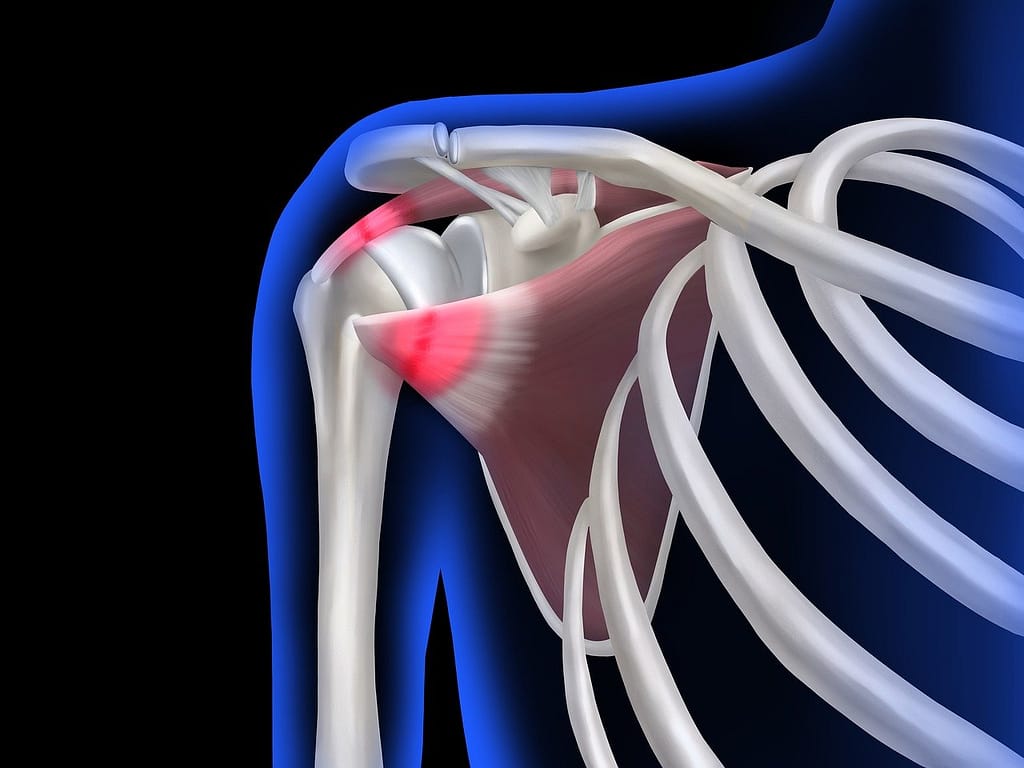
The location of Joint Pain In Men can provide a crucial clue to its cause. While women often experience osteoarthritis in the knees and hands, men tend to experience it more frequently and severely in the hips and spine. This difference in pain location is a key physiological distinction in Joint Pain In Men. Furthermore, pain in the lower back and hips, especially if it worsens after periods of rest and improves with activity, could be an early indicator of ankylosing spondylitis. Ignoring this specific type of pain as just “a bad back” could be a missed opportunity for early intervention for Joint Pain In Men.
Truth #3: Lifestyle Choices Play a Major Role
For many men, lifestyle factors are a primary driver of joint issues. High-impact sports, physically demanding jobs, and even common dietary habits contribute significantly to Joint Pain In Men. A diet rich in red meat and alcohol can increase the risk of gout, a painful form of arthritis that disproportionately affects men. The amazing truth is that simple, proactive lifestyle changes—like adopting a low-purine diet and reducing alcohol intake—can be a powerful tool in managing and preventing Joint Pain In Men.
Truth #4: Pain Perception Can Differ
While pain is subjective, research suggests that there may be gender differences in how pain is perceived and reported. Men may be more likely to downplay or ignore subtle symptoms of Joint Pain In Men, believing they should “tough it out.” This stoicism can, unfortunately, lead to delayed medical attention. The amazing truth is that listening to your body and seeking help early is a sign of strength, not weakness. Ignoring chronic Joint Pain In Men only allows the underlying condition to progress, potentially leading to irreversible joint damage.
Truth #5: Hormones are a Factor
While estrogen is often discussed in relation to women’s joint health, testosterone also plays a role in Joint Pain In Men. Testosterone has anti-inflammatory properties that can be protective. However, fluctuations in testosterone levels and other hormonal changes can impact joint health over time. Understanding this hormonal component is another amazing truth about Joint Pain In Men that highlights the importance of a comprehensive medical evaluation.
Truth #6: Treatment Response Can Vary
Just as the causes and symptoms differ, the response to treatment can also vary. Some studies indicate that men may respond differently to certain pain medications and therapies. A treatment plan for Joint Pain In Men should therefore be tailored to the individual, taking into account their specific physiology, lifestyle, and the underlying cause of their pain. The truth is, effective management of Joint Pain In Men requires a personalized approach.
In conclusion, understanding the nuances of Joint Pain In Men is crucial for effective prevention and treatment. It goes beyond the simple “wear and tear” narrative to include unique physiological factors, lifestyle influences, and specific pain patterns. By recognizing these amazing truths, men can be better equipped to listen to their bodies, seek timely medical advice, and take proactive steps to safeguard their joint health. Don’t let myths about Joint Pain In Men hold you back from a healthier, more active future.
