
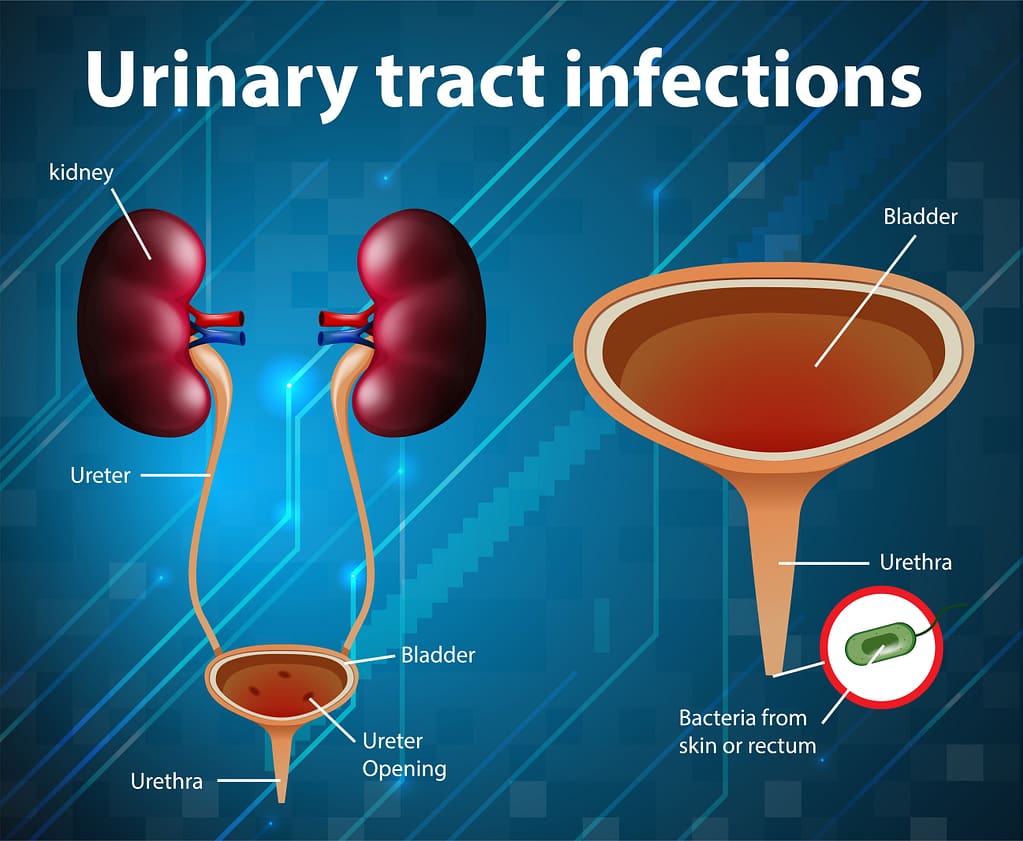
Urinary Tract Infections (UTIs) are among the most common bacterial infections affecting millions of people worldwide every year. While often simple to treat, they can cause significant discomfort and, if left untreated, lead to serious health complications. This comprehensive guide covers everything you need to know about Urinary Tract Infections—from what they are and who is most at risk, to the signs, symptoms, and the most effective treatment and prevention strategies.
What Exactly Are Urinary Tract Infections (UTIs)?
A Urinary Tract Infection occurs when microbes, usually bacteria, enter the urinary tract—the system responsible for creating and eliminating urine. This system includes the kidneys, ureters, bladder, and urethra. Most Urinary Tract Infections involve the lower tract, namely the bladder (cystitis) and the urethra (urethritis). When the infection reaches the upper tract (the kidneys, known as pyelonephritis), it becomes a much more serious condition.
The primary culprit in the vast majority of Urinary Tract Infections is Escherichia coli (E. coli) bacteria, which typically live in the bowel. Due to the proximity of the anus to the urethra, these bacteria can easily migrate and ascend into the urinary tract.
Who Is Most at Risk of Urinary Tract Infections?
While anyone can develop Urinary Tract Infections, they are significantly more common in women. In fact, most women will experience at least one UTI in their lifetime. Several factors contribute to this:
- Anatomy: A woman’s urethra is much shorter than a man’s, meaning bacteria have a shorter distance to travel to reach the bladder.
- Sexual Activity: Intercourse can introduce bacteria into the urinary opening.
- Menopause: Decreased estrogen levels change the urinary tract lining, making it more vulnerable to Urinary Tract Infections.
- Urinary Tract Abnormalities: People with structural issues in their urinary tract may have difficulty fully emptying their bladder.
- Immune System Suppression: Diabetes or other conditions that weaken the immune system increase the risk of all Urinary Tract Infections.
Recognizing the Symptoms of Urinary Tract Infections

Knowing the symptoms is crucial for early detection and prompt treatment. The signs of lower Urinary Tract Infections typically include:
- A strong, persistent urge to urinate.
- A burning sensation or pain during urination (dysuria).
- Passing frequent, small amounts of urine.
- Cloudy, dark, or strong-smelling urine.
- Pelvic pain or pressure (in women).
- Rectal pain (in men).
If you experience fever, chills, nausea, vomiting, or pain in your upper back and side (flank pain), the infection may have spread to your kidneys, which requires immediate medical attention.
Diagnosis and Treatment
If you suspect you have a Urinary Tract Infection, seeing a healthcare provider is essential. Diagnosis is typically made through a urine test (urinalysis) to look for white blood cells, red blood cells, and bacteria. A culture may also be done to identify the specific type of bacteria.
The standard treatment for Urinary Tract Infections is a course of antibiotics. The type and duration of the antibiotic treatment will depend on the severity of the infection and the type of bacteria identified. It is vital to take the full course of prescribed medication, even if your symptoms improve quickly, to ensure the infection is completely eliminated and to reduce the risk of drug-resistant bacteria.
Prevention Strategies to Avoid Urinary Tract Infections
The best way to manage Urinary Tract Infections is to prevent them from occurring in the first place. Simple lifestyle changes can drastically reduce your risk:
1. Drink Plenty of Water: Hydration helps dilute your urine and ensures you urinate more frequently, which flushes bacteria out of your system before they can cause a serious Urinary Tract Infection.
2. Practice Proper Hygiene: For women, wipe from front to back after using the toilet to prevent bacteria from the anal region from spreading to the urethra.
3. Urinate After Intercourse: Emptying your bladder soon after sexual activity helps flush out any bacteria that may have entered the urethra.
4. Avoid Irritating Products: Limit the use of douches, deodorant sprays, and scented feminine products in the genital area, as these can irritate the urethra.
5. Consider Natural Supplements: For individuals with recurrent Urinary Tract Infections, Supplements containing ingredients like D-mannose or cranberry extract can be helpful, as they may prevent bacteria from adhering to the urinary tract walls.
Conclusion
Urinary Tract Infections are a common, yet entirely manageable, health issue. By understanding the causes, recognizing the symptoms early, and adopting consistent preventive measures, you can significantly reduce your risk and maintain excellent urinary health. If you experience any symptoms, consult your doctor immediately. Taking proactive steps is the key to minimizing discomfort and protecting your long-term health from the complications of Urinary Tract Infections.