
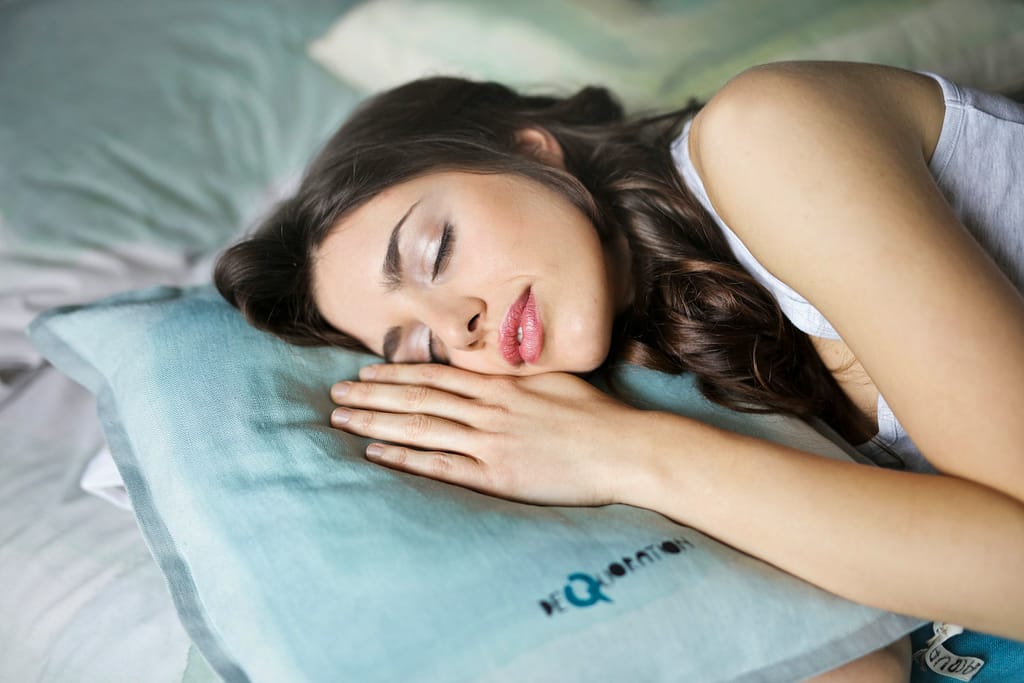
The search for restful, restorative sleep is a journey many people undertake, and for many of us, it often begins and ends with melatonin. However, for those who find melatonin ineffective or want to explore other options, the world of natural sleep aids offers a wealth of proven alternatives. This article delves beyond the popular hormone to reveal five powerful natural sleep aids that can help you achieve the deep, uninterrupted sleep you deserve. These aren’t just old wives’ tales; they’re backed by science and traditional use, making them some of the most effective natural sleep aids available.
1. Magnesium: The Ultimate Muscle Relaxer
Magnesium is an essential mineral that plays a crucial role in numerous bodily processes, including calming the nervous system and regulating neurotransmitters involved in sleep regulation. It works by activating the parasympathetic nervous system, which is responsible for inducing feelings of calmness and relaxation. For men and women alike, a deficiency in magnesium can lead to restless legs, muscle cramps, and difficulty falling asleep.
Incorporating magnesium into your routine is one of the most effective natural sleep aids for combating restlessness. Look for magnesium glycinate or citrate, as they are well-absorbed and less likely to cause digestive issues than other forms of magnesium. This makes magnesium a great choice among many natural sleep aids.
2. Valerian Root: The Time-Honored Sedative
Valerian root has been used as a sedative for centuries, and for good reason. It is a very good natural sleep aid. It’s believed to work by increasing the levels of gamma-aminobutyric acid (GABA) in the brain. GABA is a neurotransmitter that helps regulate nerve impulses in your nervous system. By increasing GABA, valerian root can help reduce anxiety and promote a sense of calm, making it easier to fall asleep. While it’s one of the most well-known natural sleep aids, it’s important to note that its effects may not be immediate; it can take a few weeks of consistent use to see significant improvement. This is one of the more traditional natural sleep aids that has stood the test of time.

3. Chamomile: The Calming Cup of Tea
Chamomile tea is perhaps the most beloved of all herbal natural sleep aids. Its calming properties are due to an antioxidant called apigenin, which binds to specific receptors in your brain that may decrease anxiety and initiate sleep. Sipping a warm cup of chamomile tea before bed is a soothing ritual that signals to your body it’s time to wind down. While it may not be as potent as some other supplements, it’s a gentle and delicious starting point for anyone looking to try some natural sleep aids. It’s also one of the most accessible natural sleep aids you can find in any grocery store.
4. Passionflower: The Anxiety-Soothing Herb
Passionflower is a natural sleep aid that people are not aware of. Like Valerian root, ii is a herb that’s been traditionally used to treat anxiety and insomnia. It’s thought to work by increasing GABA levels in the brain, which helps to slow down brain activity and promote relaxation. For individuals whose sleep is consistently disrupted by a racing mind or daily anxiety, passionflower can be a game-changer. It’s available in tea form, tinctures, or capsules, and is often combined with other herbal natural sleep aids to enhance its effect. Its powerful calming properties make it a standout among other natural sleep aids.
5. L-Theanine: The Relaxing Amino Acid
Unlike some sedative natural sleep aids, L-theanine promotes relaxation without causing drowsiness. This unique amino acid, found primarily in green tea, works by increasing alpha brain waves, which are associated with a state of “wakeful relaxation.” This makes L-theanine a perfect option for people who struggle to quiet their thoughts before bed. It can help reduce anxiety and improve sleep quality without the grogginess often associated with other supplements. It is one of the more modern and scientifically studied natural sleep aids on this list.
When exploring natural sleep aids, it’s vital to remember that they are not a substitute for good sleep hygiene. Things like maintaining a consistent sleep schedule, creating a dark and quiet bedroom environment, and avoiding screens before bed are the foundation of healthy sleep. While these natural sleep aids can be incredibly effective, they work best when used in conjunction with these habits. Always consult with a healthcare professional before starting any new supplement, especially if you have an underlying health condition or are taking other medications. The journey to better sleep is personal, and finding the right combination of habits and natural sleep aids can lead you to the amazing rest you’ve been searching for.