
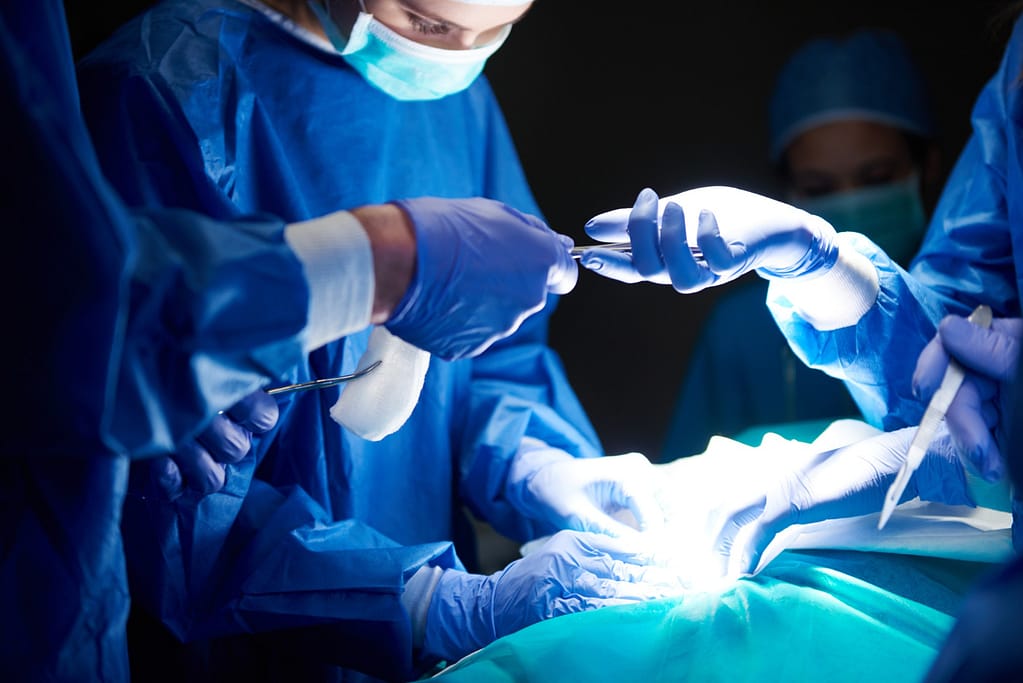
For many men, the journey to fatherhood hits an unexpected roadblock when a routine exam or fertility screening reveals a varicocele. These enlarged veins in the scrotum are the most common reversible cause of male factor infertility, affecting nearly 40% of men struggling to conceive. The question on many minds is: Can Microsurgical varicocele surgery restores male fertility naturally? The answer lies in the precision of modern medicine. Microsurgical varicocele surgery has emerged as the definitive gold standard for correcting vascular issues that hinder sperm production, offering a path to natural conception without the immediate need for invasive assisted reproductive technologies like IVF.
Understanding the “Heat” Behind Infertility
To appreciate how this surgery works; one must understand the biological damage a varicocele causes. Think of a varicocele as a “radiator” that is stuck on the “high” setting. Because blood pools in these dilated veins, the temperature of the testes rises above the ideal threshold required for healthy spermatogenesis (sperm production).
This thermal stress leads to:
- Oxidative Stress: Damage to the cellular membrane of sperm.
- DNA Fragmentation: Breaks in the genetic material of the sperm, which can lead to failed fertilization or early miscarriage.
- Hormonal Imbalance: A drop in testosterone production within the Leydig cells.
By undergoing varicocele surgery, you are essentially “turning off the radiator,” allowing the testes to return to their optimal temperature and resume healthy function.
The Power of the Microscope: Why “Micro” Matters
There are several surgical approaches to treating varicoceles, but not all are created equal. Traditional “open” or laparoscopic surgeries carry higher risks of recurrence and complications. Microsurgical varicocele surgery is distinct because it utilizes a high-powered operating microscope that magnifies the surgical field by up to 25 times.
During Microsurgical varicocele surgery, the surgeon can clearly distinguish between the “bad” veins that need to be tied off and the “good” structures that must be preserved. This includes the delicate testicular artery, which provides oxygenated blood, and the lymphatic vessels. By preserving these structures with microscopic precision, Microsurgical varicocele surgery boasts the lowest complication rates and the highest success rates for improving sperm quality.
What to Expect During the Procedure
If you are considering Microsurgical varicocele surgery, you’ll be pleased to know it is a minimally invasive, outpatient procedure. In 2026, most specialists utilize a “subinguinal” approach, making a tiny incision just below the groin.
- Precision Ligation: The surgeon identifies and ties off every abnormal vein, even those as thin as a thread, to ensure the varicocele does not return.
- Safety First: Because it is Microsurgical varicocele surgery, the risk of developing a hydrocele (fluid buildup) is nearly zero because the lymphatics are safely moved aside.
- Rapid Recovery: Most men find that the recovery from Microsurgical varicocele surgery is surprisingly swift, with many returning to work within 48 to 72 hours.
Does it Actually Restore Fertility?
The ultimate goal of Microsurgical varicocele surgery is to allow a couple to conceive naturally. Statistics are highly encouraging. Studies consistently show that 60% to 80% of men experience a significant improvement in sperm count and motility within three to six months post-surgery.
Furthermore, Microsurgical varicocele surgery is often successful in repairing DNA fragmentation. When the genetic integrity of the sperm is restored, the chances of a successful, healthy pregnancy increase dramatically. For many couples, this surgery is the “missing link” that makes natural conception possible, saving them from the emotional and financial toll of more intensive fertility treatments.
Is Microsurgical Varicocele Surgery Right for You?
While Microsurgical varicocele surgery is powerful, it is not a “one-size-fits-all” cure. It is generally recommended for men who:
- Have a palpable varicocele (one that a doctor can feel during an exam).
- Have documented abnormalities in their semen analysis (low count, poor motility).
- Are part of a couple where the female partner has normal fertility or a treatable condition.
- Are experiencing dull, aching scrotal pain that interferes with daily life.
By choosing Microsurgical varicocele surgery, you are opting for a permanent solution to a physical problem. It is an investment in your biological health that pays dividends in both fertility and testosterone levels.
The 2026 Outlook on Male Wellness
As we move further into an era of personalized longevity, Microsurgical varicocele surgery is viewed not just as a fertility fix, but as a “healthspan” intervention. Correcting a varicocele has been shown to boost natural testosterone levels, improving energy, libido, and muscle mass.
The data is clear: Microsurgical varicocele Surgery is the most effective way to naturally restore the environment required for peak male fertility. By addressing the root cause of the vascular malfunction, you give your body the chance to heal itself from the inside out.
Conclusion
Restoring your fertility doesn’t always require complex laboratory intervention. Sometimes, it simply requires the right mechanical fix. Microsurgical varicocele surgery provides a fix with unmatched precision and safety. If you’ve been diagnosed with a varicocele, knowing that Microsurgical varicocele surgery offers a high probability of natural recovery can provide much-needed peace of mind.
F.A.Q.: Understanding Microsurgical Varicocele Surgery
1. How long after Microsurgical Varicocele Surgery will I see an improvement in my fertility?
Because it takes approximately 74 to 90 days for the body to produce a new cycle of sperm, you will not see immediate changes. Most specialists recommend a follow-up semen analysis at the 3-month and 6-month marks post-surgery. Many men continue to see improvements in sperm quality for up to a full year following their Microsurgical varicocele surgery.
2. Is Microsurgical Varicocele Surgery better than embolization?
While embolization is a non-surgical alternative, Microsurgical varicocele surgery is widely considered the gold standard. The use of a high-powered microscope allows the surgeon to see tiny collateral veins that might be missed during embolization, leading to a significantly lower recurrence rate (less than 1% for microsurgery vs. up to 15% for other methods).
3. Will Microsurgical Varicocele Surgery increase my testosterone levels?
Yes, research indicates that Microsurgical varicocele surgery can improve the function of the Leydig cells, which are responsible for testosterone production. Men with low testosterone and a palpable varicocele often see a significant boost in their natural T-levels after the procedure, leading to improved energy and libido.
4. What is the recovery time for Microsurgical Varicocele Surgery?
One of the main benefits of the subinguinal Microsurgical varicocele surgery is the quick recovery. Most men return to sedentary desk work within 2 to 3 days. You should avoid heavy lifting or high-intensity exercise for approximately 2 weeks to ensure the incision heals properly.
5. Are there any major risks associated with Microsurgical Varicocele Surgery?
Complications are extremely rare. Because the surgeon uses a microscope to preserve the lymphatic vessels, the risk of a hydrocele (fluid buildup) is nearly eliminated. The most common side effects are temporary bruising or mild swelling at the incision site, which typically resolve within a week.
6. Can Microsurgical Varicocele Surgery help if we are already planning for IVF?
Absolutely. Even if a couple eventually proceeds with IVF or IUI, undergoing Microsurgical varicocele surgery beforehand can improve the quality of the sperm used. By reducing DNA fragmentation, the surgery increases the likelihood of successful fertilization and a healthy pregnancy during assisted reproductive cycles.