
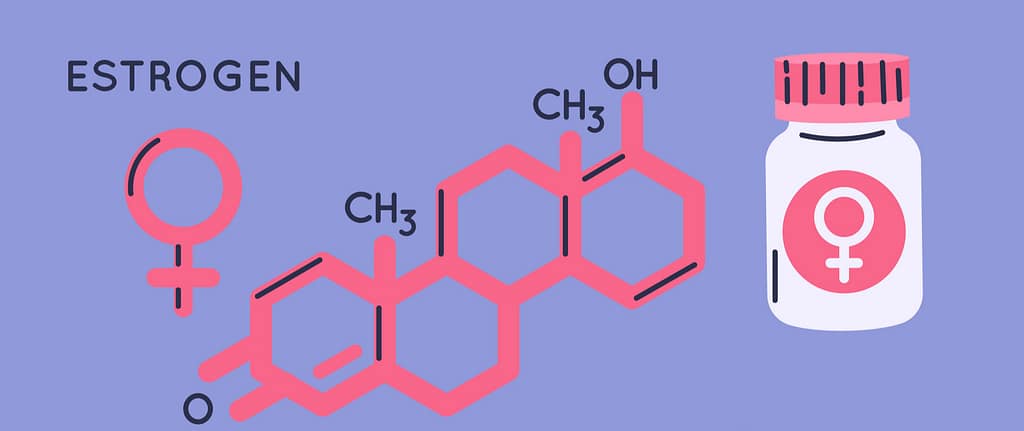
Estrogen dominance is a growing concern among women of all ages, yet many are unaware they may be experiencing it. This hormonal imbalance occurs when estrogen levels are too high in relation to progesterone, even if estrogen itself is not excessively elevated. Understanding estrogen dominance is essential because it can affect mood, weight, energy, fertility, and long-term health.
In today’s fast-paced world, lifestyle choices, environmental toxins, and chronic stress all contribute to estrogen dominance, making it more common than ever before.
What Is Estrogen Dominance?
Estrogen dominance happens when there is an imbalance between estrogen and progesterone. These two hormones work together to regulate the menstrual cycle, support fertility, and maintain overall hormonal stability. When progesterone levels drop or estrogen levels rise, estrogen dominance can develop.
This imbalance may occur during perimenopause, after long-term birth control use, or due to chronic stress. Even younger women can experience estrogen dominance due to poor diet, lack of sleep, or exposure to hormone-disrupting chemicals.
Common Signs of Estrogen Dominance
The symptoms of estrogen dominance can vary from mild to severe, and they often mimic other health conditions. Some of the most common signs include:
- Weight gain, especially around the hips and thighs
- Bloating and water retention
- Breast tenderness
- Mood swings and irritability
- Heavy or irregular periods
- Low libido
- Fatigue
- Headaches or migraines
Many women overlook these symptoms, not realizing they may be linked to estrogen dominance.
Hidden Causes of Estrogen Dominance
Several factors contribute to estrogen dominance, and many are related to modern lifestyle habits.
1. Chronic Stress
High stress levels increase cortisol production. When cortisol rises, the body may reduce progesterone production, leading to estrogen dominance.
2. Poor Diet
Diets high in sugar, refined carbohydrates, and processed foods can disrupt hormone balance and contribute to estrogen dominance.
3. Environmental Toxins
Everyday products like plastics, cosmetics, and cleaning supplies may contain chemicals known as xenoestrogens. These compounds mimic estrogen in the body, increasing the risk of elevated estrogen.
4. Liver Overload
The liver plays a crucial role in metabolizing excess estrogen. If the liver is overwhelmed by toxins, alcohol, or poor nutrition, elevated estrogen may develop.
The Role of the Gut in Estrogen Balance
Gut health is closely connected to elevated estrogen. The gut microbiome helps regulate estrogen levels through a collection of bacteria known as the estrobolome. When gut bacteria are imbalanced, estrogen may not be properly eliminated from the body.
This means poor digestion, constipation, or an unhealthy microbiome can worsen elevated estrogen over time.
How to Detox Naturally from Elevated Estrogen
The good news is that lifestyle changes can help reduce elevated estrogen naturally. Here are some effective strategies.
1. Eat More Cruciferous Vegetables
Vegetables like broccoli, cauliflower, kale, and Brussels sprouts contain compounds that support estrogen detoxification. These foods are powerful allies against elevated estrogen.
2. Support Liver Health
The liver is essential for breaking down excess estrogen. Drinking plenty of water, reducing alcohol, and eating antioxidant-rich foods can help the body combat elevated estrogen.
3. Improve Gut Health
A healthy gut helps eliminate excess hormones. Probiotic-rich foods like yogurt, kefir, and fermented vegetables can support gut balance and reduce elevated estrogen.
4. Reduce Exposure to Toxins
Switching to natural skincare, using glass food containers, and avoiding plastic bottles can lower exposure to hormone-disrupting chemicals that contribute to elevated estrogen.
5. Manage Stress Levels
Practices like yoga, meditation, deep breathing, and regular exercise help regulate cortisol levels. This supports progesterone production and reduces the risk of elevated estrogen.
Helpful Natural Supplements
Certain natural supplements may support the body in addressing estrogen dominance. For example:
- DIM (diindolylmethane) helps improve estrogen metabolism
- Calcium D-glucarate supports estrogen detoxification
- Magnesium supports hormone balance and stress reduction
However, it is always wise to consult a healthcare professional before starting any supplement for elevated estrogen.
Long-Term Risks of Estrogen Surplus
If left unaddressed, estrogen dominance may increase the risk of conditions such as fibroids, endometriosis, polycystic ovary syndrome (PCOS), and certain hormone-related cancers. This is why recognizing and managing elevated estrogen early is crucial.
Final Thoughts
Estrogen dominance is a common but often overlooked hormonal imbalance that can affect women at any stage of life. From mood swings to weight gain and menstrual issues, the symptoms can significantly impact daily living.
The good news is that natural strategies—such as improving diet, supporting the liver, balancing gut health, and reducing stress—can help restore hormonal harmony. By taking proactive steps, women can reduce their estrogen and enjoy better energy, mood, and overall wellness.