
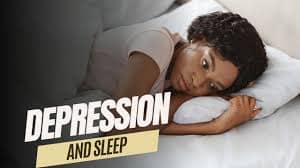
When it comes to mental health, most people overlook the simple yet powerful role of sleep. Research shows that poor sleep and depression are closely linked, but many don’t understand how sleep affects depression in daily life. Whether it’s difficulty falling asleep, staying asleep, or waking up too early, disrupted rest can change mood, thinking patterns, and overall brain health. In this article, we’ll explore exactly how sleep affects depression, why the relationship goes both ways, and what you can do to improve your sleep for better mental well-being.
The Sleep–Mood Connection
One of the most striking findings in psychology is how sleep affects depression symptoms. People who sleep less than seven hours a night are more likely to experience low mood, irritability, and negative thought cycles. Sleep is essential for brain repair, hormone balance, and the processing of memory. When rest is disrupted, the brain struggles to regulate emotions, making depression more severe.
Insomnia and Depression
Insomnia is one of the clearest examples of how sleep affects depression. In fact, about 75% of people with depression report insomnia. The inability to fall or stay asleep exacerbates stress, which in turn deepens emotional pain. On the other hand, poor sleep can also cause depression by draining energy and disrupting daily function. This cycle highlights how sleep affects depression in both directions—sleep problems worsen mood, and mood disorders worsen sleep.

Oversleeping and Its Role
It’s not just lack of rest—oversleeping also shows how sleep affects depression. Many individuals with depressive disorders sleep for more than 10 hours a day, yet still feel exhausted. This excessive rest often disrupts the body’s natural circadian rhythm, leading to even more fatigue and sadness. The pattern proves that both too little and too much sleep affect depression in significant ways.
REM Sleep and Emotional Health
Rapid Eye Movement (REM) sleep plays a special role in regulating emotions. Studies reveal how sleep affects depression through changes in REM cycles. People with depression often enter REM sleep too quickly or spend excessive time there. This imbalance interferes with healthy emotional processing, leaving the brain less capable of handling stress. Once again, the science of REM illustrates how sleep affects depression on a deeper neurological level.
Stress Hormones and Sleep Disruption
Another way sleep affects depression is through stress hormones. Poor-quality sleep raises cortisol, the body’s main stress hormone. High cortisol levels disrupt brain chemistry and lower serotonin, a neurotransmitter linked to happiness. Over time, these chemical shifts show exactly how sleep affects depression and why improving rest can reduce emotional suffering.
Sleep Apnea and Hidden Risks
Sleep apnea is often overlooked in mental health discussions, yet it demonstrates another example of how sleep affects depression. This condition causes brief pauses in breathing during the night, leading to fragmented rest and oxygen deprivation. People with untreated sleep apnea are at much higher risk of developing depression. Addressing this condition often improves mood dramatically, proving how sleep affects depression when underlying medical problems are treated.
Lifestyle Habits That Worsen Sleep
Lifestyle choices also reveal how sleep affects depression. Excessive caffeine, irregular schedules, late-night screen time, and lack of exercise can all reduce sleep quality. When these habits persist, they fuel stress and sadness, showing how everyday routines affect depression risk. Changing these behaviors can break the cycle and improve mood.
How Improving Sleep Reduces Depression
The good news is that the relationship between rest and mood is reversible. Small steps like sticking to a consistent bedtime, limiting blue light exposure, and practicing relaxation techniques can improve sleep. Research shows how sleep affects depression positively when habits are improved—better rest often reduces symptoms without medication.
Practical Tips to Restore Balance
· Create a bedtime routine: Going to bed at the same time each night teaches your body when to rest.
· Limit stimulants: Reduce caffeine and nicotine, especially in the evening.
· Stay active: Regular exercise improves sleep and mood.
· Seek treatment if needed: If insomnia or sleep apnea is present, professional help can make a huge difference.
By taking these steps, you can see firsthand how sleep affects depression and begin to restore mental balance.
Final Thoughts
It’s clear that sleep plays a major role in mental health. From insomnia to oversleeping, the evidence shows how sleep affects depression in powerful ways. Rest doesn’t just recharge the body—it heals the mind. By prioritizing better sleep, you can ease symptoms, strengthen resilience, and support long-term well-being.
If you or someone you know struggles with both sleep problems and depression, don’t ignore the connection. Seek guidance, improve your habits, and remember—healthy rest is one of the most natural and effective tools for protecting your mental health.
