
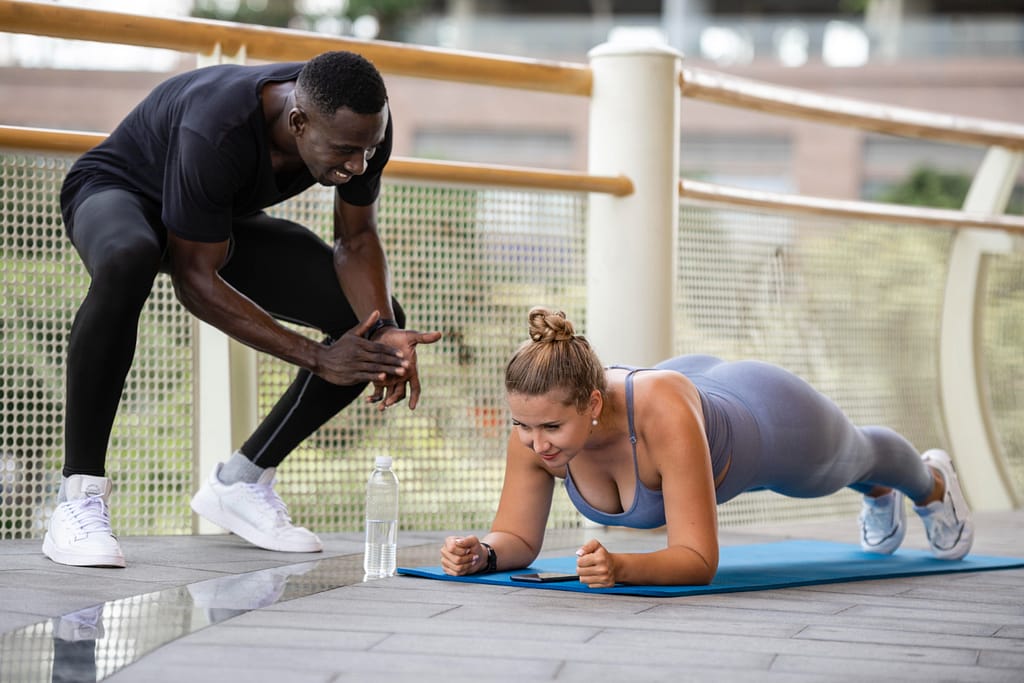
Hybrid Fitness vs. Traditional Training is a comparison that many people are exploring as they seek smarter, faster, and more effective ways to get fit. While traditional training often focuses on just one goal—such as building muscle or improving endurance—Hybrid Fitness vs. Traditional Training demonstrates how combining multiple training styles can deliver better overall results.
If you’ve ever felt stuck in a workout plateau, the difference between Hybrid Fitness vs. Traditional Training could be the breakthrough you need. Let’s explore five powerful secrets that explain why hybrid training is gaining popularity among beginners and experienced athletes alike.
Secret 1: Balanced Strength and Endurance
One of the biggest differences in Hybrid Fitness vs. Traditional Training is balance. Traditional training often focuses on a single area. For example, Bodybuilding focuses mainly on muscle growth, while long-distance running focuses on endurance.
Hybrid fitness, on the other hand, combines both strength and cardio in a single program. This means you build muscle while also improving stamina. In the debate of Hybrid Fitness vs. Traditional Training, this balance gives hybrid athletes a major advantage.
When your body is both strong and enduring, everyday activities feel easier, workouts become more effective, and fat loss becomes more consistent.
Secret 2: Faster Fat Loss
Another key difference in Hybrid Fitness vs. Traditional Training is how the body burns calories. Traditional strength training builds muscle, but it may not burn as many calories during the workout. Traditional cardio burns calories, but it may not build muscle.
- Hybrid training blends both methods. This creates:
- Higher calorie burn during workouts
- Increased metabolism after workouts
- Better fat-to-muscle ratio
In the comparison of Hybrid Fitness vs. Traditional Training, this dual effect leads to faster and more visible results, especially for beginners.
Secret 3: Improved Functional Fitness
When looking at Hybrid Fitness vs. Traditional Training, functional fitness is a major advantage. Traditional programs sometimes train muscles in isolation, focusing more on appearance than performance.
Hybrid fitness emphasizes real-life movements such as:
- Squatting
- Lifting
- Pushing
- Pulling
- Running
- Jumping
These movements improve balance, coordination, and strength in everyday tasks. In the discussion of Hybrid Fitness vs. Traditional Training, hybrid programs often create a more capable and resilient body.
Secret 4: Reduced Workout Boredom
Many people quit traditional programs because they become repetitive. Doing the same type of workout every day can feel dull and unmotivating.
In the comparison of Hybrid Fitness vs. Traditional Training, hybrid routines keep things fresh by mixing:
- Strength sessions
- Cardio workouts
- Mobility or flexibility exercises
- Functional circuits
This variety keeps your mind engaged and your body constantly adapting. When comparing Traditional Training vs. Hybrid Fitness, this mental freshness often leads to better long-term consistency.
Secret 5: Better Overall Health
The final secret in Hybrid Fitness vs. Traditional Training is the impact on overall health. Traditional training programs may improve one area of fitness but neglect others.
Hybrid fitness supports:
- Heart health
- Muscle strength
- Joint mobility
- Metabolic health
- Energy levels
In the long-term comparison of Hybrid Fitness vs. Traditional Training, hybrid routines tend to produce a more balanced, healthy, and sustainable lifestyle.
Quick Comparison: Hybrid vs. Traditional
Here’s a simple breakdown of the two:
Hybrid Fitness
- Combines strength and cardio
- Promotes balanced performance
- Burns more calories overall
- Reduces boredom
- Improves total-body health
Traditional Training
- Focuses on one primary goal
- May lead to imbalances
- Can feel repetitive
- Slower fat-loss results in some cases
This comparison highlights why many people are switching from traditional routines to hybrid systems.
Who Should Choose Hybrid Fitness?
In the discussion of Hybrid Fitness vs. Traditional Training, hybrid training is ideal for:
- Beginners who want balanced results
- Busy individuals who want efficient workouts
- People looking to lose fat and gain strength
- Anyone bored with repetitive routines
Traditional training still has its place, especially for bodybuilders, powerlifters, or endurance athletes with specific goals. However, for general fitness and faster overall results, Hybrid Fitness vs. Traditional Training often favors the hybrid approach.
Final Thoughts
Hybrid Fitness vs. Traditional Training reveals a powerful truth: combining strength, endurance, and mobility can produce faster and more balanced results than focusing on just one area.
By improving strength, boosting endurance, accelerating fat loss, and keeping workouts exciting, hybrid training offers a smarter path to fitness success. The comparison of Hybrid Fitness vs. Traditional Training shows that hybrid routines are not just a trend—they’re a practical and effective approach for modern lifestyles. If you want quicker progress, better health, and a more enjoyable workout routine, hybrid fitness may be the winning strategy for you.