

Glaucoma is a term that many of us have heard, often in the context of eye health and vision loss. But what exactly is this condition, and what amazing things might you not know about it? It’s a group of eye diseases that cause progressive damage to the optic nerve, the essential bundle of fibers that transmits visual information from the eye to the brain. This damage is often, but not always, linked to abnormally high pressure within the eye. The truth about glaucoma is that it is far more common and far more subtle than most people realize. In fact, it’s a leading cause of irreversible blindness worldwide, often earning the moniker “the silent thief of sight.”
The Glaucoma Sneak Attack: It Has No Symptoms
One of the most surprising and dangerous facts about the most common form of glaucoma—Primary Open-Angle Glaucoma—is that it has virtually no early symptoms. Unlike other eye conditions that may cause immediate pain or blurred vision, open-angle glaucoma develops slowly and painlessly over many years. This gradual progression means a person can lose a significant amount of their vision before they even know something is wrong.
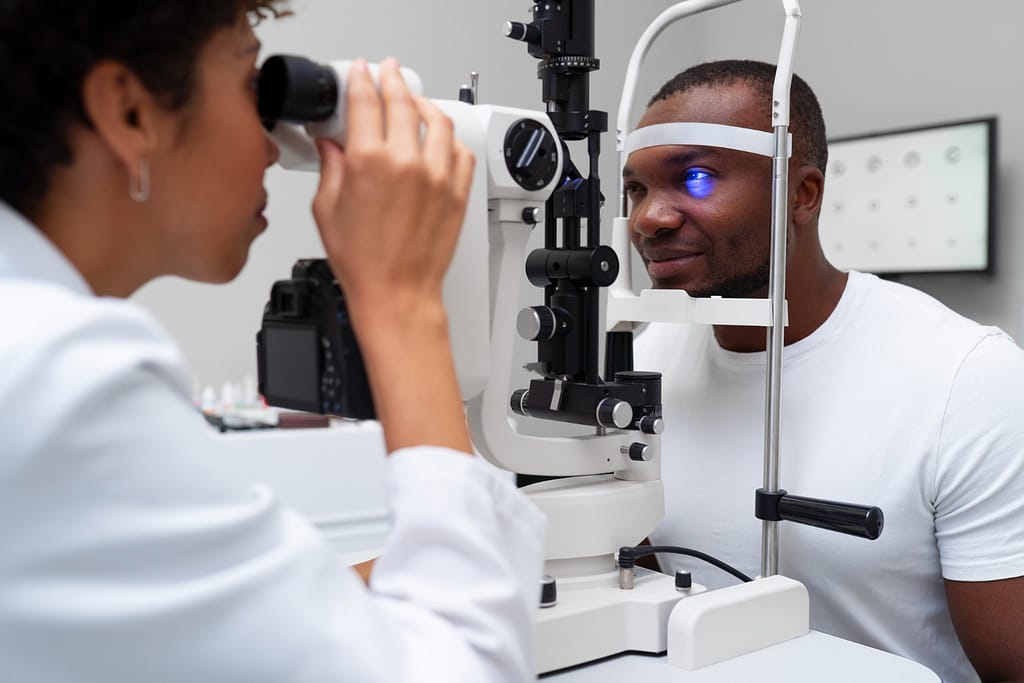
The initial vision loss affects the peripheral, or side, vision. Because our central vision remains sharp for a long time, we naturally compensate and adapt, often without noticing the creeping blind spots. The first time many people realize they have glaucoma is during a routine eye exam, or when the disease is already in an advanced stage and has caused noticeable “tunnel vision.” This is why regular, comprehensive dilated eye exams are so crucial. They are the only reliable way to detect glaucoma in its early stages before permanent damage has occurred.
Glaucoma Has Many Faces: It’s Not a Single Disease
When people talk about glaucoma, they are often referring to Primary Open-Angle Glaucoma, but there are actually many different types of this condition. Each type has a unique cause and progression. For instance, Angle-Closure Glaucoma, a less common but more acute form, is a medical emergency. It occurs when the iris blocks the eye’s drainage angle, causing a sudden and rapid increase in eye pressure. This can lead to severe symptoms like intense eye pain, headache, nausea, blurred vision, and the appearance of halos around lights. If left untreated, it can cause blindness within hours.
Another intriguing type is Normal-Tension Glaucoma, characterized by optic nerve damage and vision impairment occurring despite the eye pressure being within the normal limits. The exact cause of this type of glaucoma is not fully understood, but it highlights that high eye pressure is a major risk factor, not the sole determinant of glaucoma. This also suggests that some people’s optic nerves are more sensitive and vulnerable to damage, even at normal pressures. Other forms of glaucoma, known as Secondary Glaucomas, can be caused by other conditions like eye injuries, inflammation, or certain medications.
Who is at Risk for Glaucoma? It’s Not Just About Age
While the risk of developing glaucoma does increase with age, it’s not a condition exclusive to the elderly. Glaucoma can affect people of all ages, including babies and children, though this is rare. Certain demographics are at a notably elevated risk. For example, individuals of African and Hispanic descent are more likely to develop glaucoma, often at a younger age, and they are more susceptible to severe vision loss.
Other risk factors include a family history of the disease—if you have a parent or sibling with the disease, your risk is much higher—as well as certain medical conditions like diabetes, high blood pressure, and extreme nearsightedness. Long-term use of corticosteroid medications can also contribute to the development of this eye condition. Knowing your risk factors is the first step toward proactive eye care and early detection.
The Good News: You Can Slow Down Glaucoma
While there is no cure for this health challenge and any vision loss from it is permanent, the good news is that with early detection and proper treatment, its progression can be effectively managed and slowed down. The main objective of the treatment is to reduce the eye pressure to avert additional harm to the optic nerve. This is typically achieved through one or a combination of the following methods:
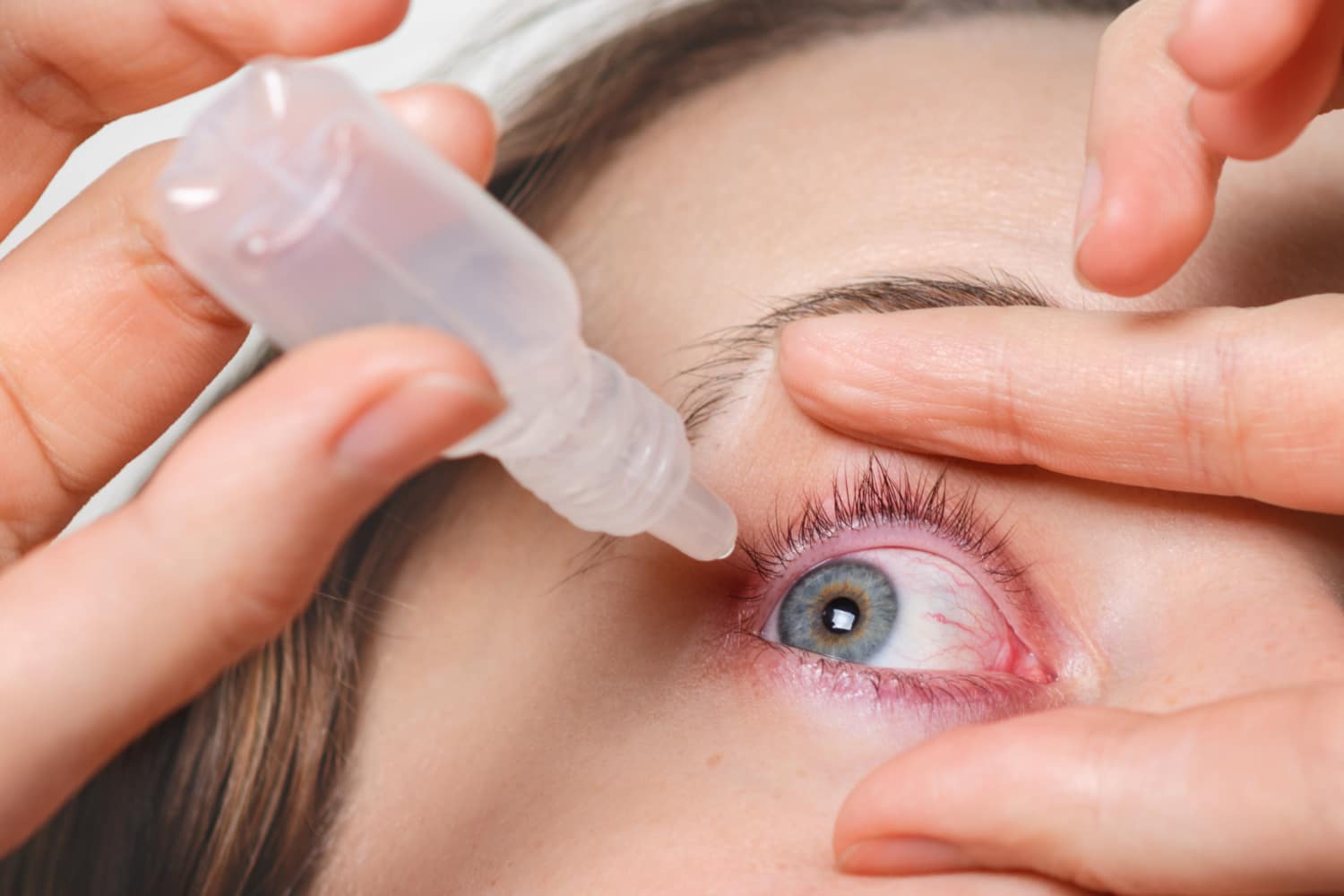
- Medicated Eye Drops: These are the most common first-line treatment. The eye drops function by either reducing the fluid production in the eye or enhancing the drainage of fluid from the eye.
- Laser Treatment: Techniques such as Selective Laser Trabeculoplasty (SLT) may be employed to facilitate better fluid drainage from the eye. The drops work by either decreasing the amount of fluid the eye produces or by increasing the fluid drainage from the eye.
- Surgery: When eye drops and laser treatments aren’t enough, traditional surgery can be performed to create a new drainage channel for the fluid.
Beyond medical treatment, certain lifestyle choices can also help manage the condition. Consistent, moderate physical activity has been demonstrated to decrease eye pressure. It’s also advised to be mindful of activities that temporarily raise eye pressure, such as certain yoga poses and weightlifting with improper breathing techniques. A diet rich in leafy green vegetables and other antioxidant-rich foods can also support overall eye health.
Glaucoma is a formidable foe, but it’s not one that has to win. The key to preserving your sight is education and vigilance. By understanding the amazing and often surprising facts about this condition, you can take control of your eye health. Don’t wait for symptoms to appear; schedule a comprehensive eye exam with a dilated pupil. It’s the most powerful tool you have to protect your vision from the silent thief. And for those already diagnosed, adhering to your treatment plan and communicating with your ophthalmologist are the most important steps you can take to manage this health challenge and maintain your quality of life.
