
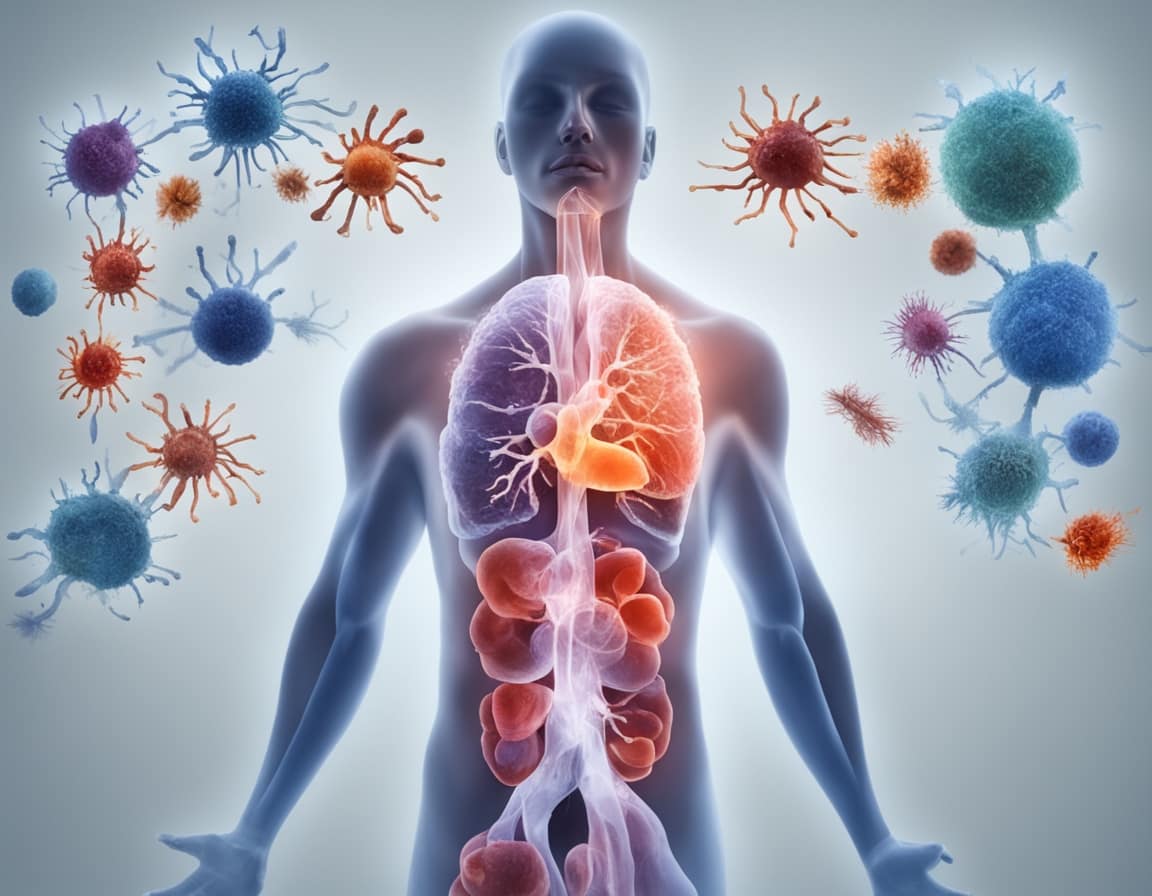
Autoimmune diseases are a complex and often debilitating group of conditions that affect millions worldwide. Far from rare, these autoimmune diseases occur when the body’s normally protective immune system mistakenly attacks its own healthy cells and tissues, leading to inflammation, damage, and a wide range of symptoms. Understanding autoimmune disease is the first step toward better management and improved quality of life for those affected.
What Is An Autoimmune Disease
To grasp autoimmune disease, it’s helpful to first understand the immune system. Its primary role is to defend the body against foreign invaders like bacteria, viruses, fungi, and parasites. It does this by identifying these threats and launching an attack. However, in an autoimmune disease, this sophisticated defense mechanism goes awry. The immune system loses its ability to differentiate between harmful foreign cells and the body’s own healthy cells. It begins producing auto-antibodies that target and attack normal tissues, leading to chronic inflammation and tissue damage.
There are over 100 known types of autoimmune diseases, affecting nearly every part of the body. Some autoimmune diseases are organ-specific, targeting a particular organ (e.g., Type 1 Diabetes attacking the pancreas), while other autoimmune diseases are systemic, affecting multiple organs and tissues throughout the body (e.g., Lupus).
Common Types of Autoimmune Diseases
While the list of autoimmune diseases is extensive, some are more prevalent than others:
- Rheumatoid Arthritis (RA): The immune system attacks the lining of the joints, causing painful swelling, bone erosion, and joint deformity. This is a common autoimmune disease.
- Lupus (Systemic Lupus Erythematosus – SLE): A systemic autoimmune disease that can affect the joints, skin, kidneys, brain, heart, and lungs.
- Type 1 Diabetes: The immune system destroys the insulin-producing cells in the pancreas, leading to high blood sugar levels. This is a well-known autoimmune disease.
- Multiple Sclerosis (MS): The immune system attacks the protective sheath (myelin) that covers nerve fibers, causing communication problems between the brain and the rest of the body.
- Inflammatory Bowel Disease (IBD):** This includes Crohn’s disease and ulcerative colitis, where the immune system attacks the lining of the digestive tract.
- Psoriasis:** Rapid overproduction of skin cells, leading to thick, red, scaly patches, often accompanied by psoriatic arthritis.
- Hashimoto’s Thyroiditis: The immune system attacks the thyroid gland, leading to an underactive thyroid (hypothyroidism). This is another common autoimmune disease.

What Causes Autoimmune Disease?
The exact cause of most autoimmune diseases is still not fully understood, but it’s believed to be a complex interplay of genetic predisposition and environmental triggers.
- Genetics: Many autoimmune diseases run in families, suggesting a genetic component. However, having a genetic predisposition doesn’t guarantee you’ll develop an autoimmune disease; it simply increases your risk.
- Environmental Triggers: These can include infections (bacterial or viral), exposure to toxins (e.g., smoking, certain chemicals), diet, gut dysbiosis, and stress. These triggers are thought to “switch on” the autoimmune response in genetically susceptible individuals, leading to autoimmune disease.
- Hormones: Women are disproportionately affected by autoimmune diseases (up to 80% of cases), suggesting a role for hormonal influences, particularly estrogen.
Symptoms and Diagnosis of Autoimmune Diseases
The symptoms of autoimmune diseases are incredibly diverse and often overlap with other conditions, making diagnosis challenging. Common general symptoms of autoimmune disease include:
- Fatigue
- Joint pain and swelling
- Skin rashes
- Abdominal pain or digestive issues
- Recurring fever
- Swollen glands
- Numbness or tingling in hands and feet
Diagnosing an autoimmune disease typically involves a combination of medical history, physical examination, and various blood tests. The Anti-Nuclear Antibody (ANA) test is a common screening tool, but positive results don’t always indicate an autoimmune disease. Further specific antibody tests, inflammation markers (like CRP and ESR), and imaging studies may be needed to confirm a diagnosis and identify the specific type of autoimmune disease. Early diagnosis is crucial for preventing irreversible tissue damage from autoimmune diseases.
Treatment and Management of Autoimmune Diseases
Currently, there is no cure for most autoimmune diseases, but effective treatments and management strategies can help control symptoms, reduce inflammation, slow disease progression, and improve quality of life. Treatment plans are highly individualized and depend on the specific autoimmune disease and its severity.
Common treatment approaches for autoimmune diseases include:
- Anti-inflammatory Medications: Over-the-counter or prescription NSAIDs (non-steroidal anti-inflammatory drugs) can help manage pain and inflammation.
- Corticosteroids: Powerful drugs that reduce inflammation and suppress the immune system.
- Immuno-suppressants: Medications that reduce the overall activity of the immune system to prevent it from attacking healthy tissues.
- Biologic Drugs: Targeted therapies that block specific molecules involved in the immune response, offering more precise treatment for certain autoimmune diseases.
- Symptomatic Treatments: Therapies aimed at managing specific symptoms, such as pain relievers, physical therapy for joint issues, or insulin for Type 1 Diabetes.
- Lifestyle Modifications: Diet (e.g., anti-inflammatory diets), stress management techniques, regular exercise, and adequate sleep can significantly support overall health and potentially alleviate symptoms of autoimmune diseases.
Living with Autoimmune Diseases
Living with an autoimmune disease can be challenging, both physically and emotionally. Chronic pain, fatigue, and unpredictable flare-ups can significantly impact daily life. It’s essential for individuals with autoimmune diseases to:
- Work closely with their healthcare team: This includes specialists relevant to their specific condition (e.g., rheumatologist, endocrinologist, gastroenterologist).
- Educate themselves: Understanding their specific autoimmune disease empowers them to make informed decisions about their health.
- Build a strong support system: Connecting with others who understand their struggles can be invaluable.
- Prioritize self-care: Managing stress, maintaining a healthy diet, and getting enough rest are critical for minimizing flare-ups.
Conclusion
Autoimmune diseases represent a significant health challenge, but increasing awareness and ongoing research offer hope for better understanding and more effective treatments. By knowing what autoimmune diseases are, their potential causes, how they are diagnosed, and the available management strategies, individuals can navigate these complex conditions more effectively. If you suspect you might have an autoimmune disease or are struggling with unexplained chronic symptoms, consult your doctor. Early intervention and a proactive approach are key to managing autoimmune diseases and living a fulfilling life.
