
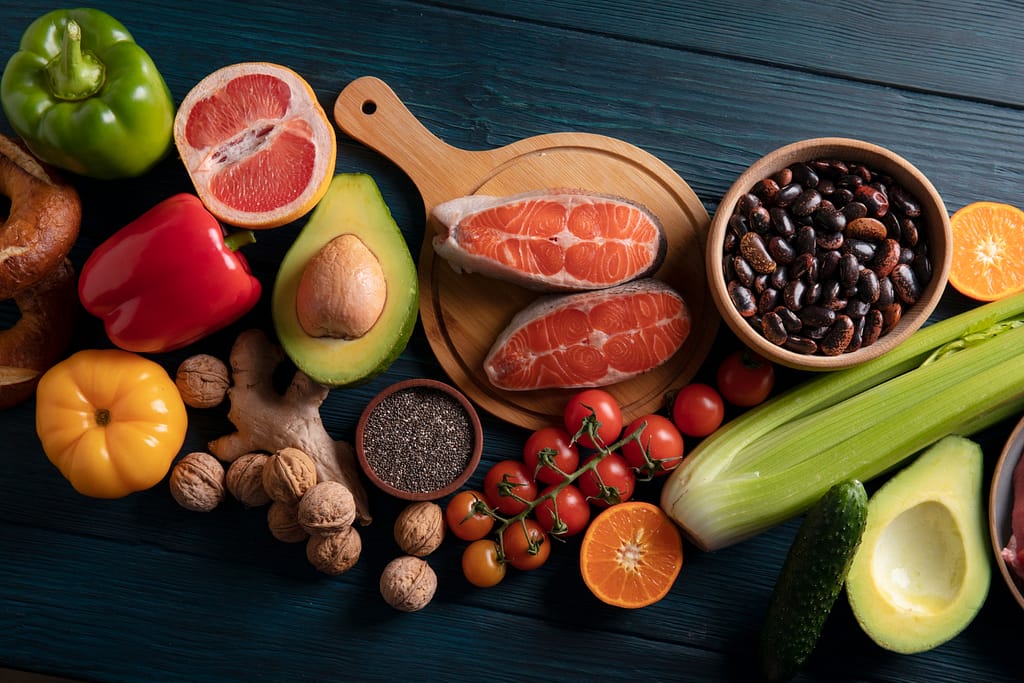
A Diet for hormonal balance is one of the most effective natural strategies for supporting overall health, energy, mood, metabolism, and reproductive function. Hormones act as the body’s chemical messengers, controlling everything from sleep cycles to weight management and stress responses. When hormones become imbalanced, symptoms such as fatigue, mood swings, weight gain, irregular cycles, or low libido may appear. The good news is that a well-planned diet for hormonal balance can help regulate these processes and support long-term wellness.
Why Food Matters for Hormone Health
A consistent diet for hormonal balance provides the nutrients your endocrine system needs to produce, regulate, and transport hormones. Certain foods support insulin sensitivity, reduce inflammation, and promote gut health—all of which are critical for maintaining stable hormone levels.
When your daily meals are built around whole, nutrient-dense foods, a diet for hormonal balance becomes a powerful tool for improving both physical and mental well-being.
Key Nutrients That Support Hormone Balance
A science-informed diet for hormone focuses on essential nutrients that influence hormone production and regulation.
1. Healthy fats
Hormones are made from fats and cholesterol. Including healthy fats in a diet for hormonal balance helps support hormone synthesis and brain health. Sources include avocados, olive oil, nuts, and seeds.
2. Fiber
Fiber plays a vital role in removing excess hormones from the body. A fiber-rich diet for hormonal balance supports digestion and helps regulate estrogen levels. Whole grains, legumes, fruits, and vegetables are excellent choices.
3. Protein
Protein provides amino acids needed for hormone production and tissue repair. A balanced diet for hormonal balance should include lean protein sources such as eggs, fish, poultry, beans, and lentils.
4. Micronutrients
Vitamins and minerals like magnesium, zinc, vitamin D, and B-vitamins are essential for hormone regulation. A diverse diet for hormonal balance ensures the body receives these key nutrients.
The Ultimate Hormone-Balancing Grocery List
Building a practical diet for hormonal balance starts with a smart grocery list. Here are science-supported food groups to include in your weekly shopping.
Leafy Greens
Spinach, kale, and Swiss chard are rich in magnesium and antioxidants. These nutrients support adrenal health and help reduce stress hormones. Including leafy greens regularly strengthens a diet for hormonal balance.
Fatty Fish
Salmon, sardines, and mackerel are high in omega-3 fatty acids. These healthy fats reduce inflammation and support insulin sensitivity, making them essential in a diet for hormonal balance.
Cruciferous Vegetables
Broccoli, cauliflower, cabbage, and Brussels sprouts contain compounds that help the body process excess estrogen. Adding these vegetables to your diet for hormonal balance can support detoxification and hormone regulation.
Nuts and Seeds
Almonds, walnuts, flaxseeds, chia seeds, and pumpkin seeds provide healthy fats, fiber, and essential minerals. These foods play a vital role in a balanced diet for hormonal balance.
Whole Grains
Oats, quinoa, brown rice, and whole-wheat products provide steady energy and help regulate blood sugar levels. A stable blood sugar response is key to an effective diet for hormonal balance.
Fermented Foods
Yogurt, kefir, sauerkraut, and kimchi support gut health. Since the gut plays a major role in hormone metabolism, fermented foods are an important part of a diet for hormonal balance.
Berries and Citrus Fruits, such as blueberries, strawberries, oranges, and lemons, are rich in antioxidants and vitamin C. These nutrients help combat oxidative stress and support adrenal function in a diet for hormonal balance.
Lean Proteins
Chicken, turkey, eggs, tofu, and legumes provide the building blocks for hormone production. Including these in every meal strengthens a diet for hormonal balance.
Foods to Limit for Hormone Health
While building a hormone-balanced diet, it is equally important to reduce foods that may disrupt hormone function, which are:
- Refined sugars and sugary drinks
- Highly processed foods
- Excessive caffeine
- Trans fats and deep-fried foods
These items can increase inflammation, disrupt insulin levels, and interfere with a healthy hormonal balance diet.
Daily Habits That Enhance Hormone Balance
A hormone-balanced diet works best when combined with supportive lifestyle habits.
- Get at least 7–8 hours of quality sleep
- Engage in regular physical activity
- Manage stress through relaxation techniques
- Stay hydrated throughout the day
These habits help your body respond more effectively to the benefits of a hormone-balanced diet.
Sample One-Day Hormone-Balancing Menu
To make a hormonal balance diet more practical, here is a simple daily example:
Breakfast: Oatmeal topped with berries, flaxseeds, and yogurt
Lunch: Grilled chicken salad with spinach, avocado, and olive oil dressing
Snack: A Handful of almonds and an orange
Dinner: Baked salmon with quinoa and steamed broccoli
This balanced approach provides protein, healthy fats, fiber, and essential nutrients needed for a hormone-balanced diet.
Final Thoughts
A thoughtful diet for hormonal balance is not about strict rules or extreme restrictions. It is about choosing whole, nourishing foods that support your body’s natural hormonal rhythms. By focusing on nutrient-dense ingredients, reducing processed foods, and maintaining healthy daily habits, you can create a sustainable lifestyle that promotes long-term hormonal health.
With the right grocery list and consistent choices, a hormonal balanced diet becomes a powerful foundation for energy, mood stability, metabolic health, and overall well-being.