
In Lagos, Nigeria and indeed across the globe, the prevalence of type 2 diabetes is a growing health concern. Understanding Type 2 Diabetes Management is no longer optional; it’s a crucial step towards living a healthy and fulfilling life despite the diagnosis. This comprehensive guide of type 2 diabetes management aims to provide you with all the essential information you need to effectively manage Type 2 Diabetes.
Understanding Type 2 Diabetes: The Foundation of Effective Management
Before diving into specific strategies, it’s important to understand what type 2 diabetes is. Unlike type 1 diabetes, where the body doesn’t produce insulin, in type 2 diabetes, the body either doesn’t produce enough insulin or becomes resistant to its effects (insulin resistance). This leads to elevated blood glucose levels, which, over time, can cause serious health complications affecting the heart, kidneys, eyes, and nerves. Effective Type 2 Diabetes Management focuses on controlling these blood glucose levels and mitigating the risk of these complications.
The Cornerstones of Type 2 Diabetes Management:
Effective Type 2 Diabetes Management relies on a multi-faceted approach, encompassing lifestyle modifications, medication, and regular monitoring. No single strategy works in isolation; rather, a synergistic combination tailored to your individual needs is key to successful Type 2 Diabetes Management.
1. Dietary Modifications: Fueling Your Body the Right Way
Nutrition plays a crucial role in Type 2 Diabetes management. The focus isn’t on restrictive dieting but on making informed food choices that help stabilize blood sugar levels. Key dietary recommendations for Type 2 Diabetes Management include:
- Controlling Carbohydrate Intake: Pay attention to the quantity and type of carbohydrates you consume. Opt for complex carbohydrates like whole grains, legumes, and non-starchy vegetables, which are digested slowly and have a gentler impact on blood sugar. Limit sugary drinks, processed foods, and refined grains.
- Prioritizing Fiber: A high-fiber diet helps regulate blood sugar levels, promotes satiety, and supports overall gut health. Include plenty of fruits, vegetables, and whole grains in your meals for better Type 2 Diabetes Management.
- Lean Protein Sources: Incorporate lean protein sources like fish, poultry (without skin), beans, and lentils into your diet. Protein helps you feel fuller and supports muscle health, which is beneficial for effective Type 2 Diabetes Management.
- Healthy Fats: Choose unsaturated fats found in avocados, nuts, seeds, and olive oil. Limit saturated and trans fats, which can negatively impact heart health.
- Portion Control: Be mindful of your portion sizes to manage calorie intake and prevent blood sugar spikes. Using smaller plates and measuring your food can be helpful for Type 2 Diabetes Management.
- Regular Meal Times: Eating regular meals and snacks can help maintain stable blood sugar levels. Avoid skipping meals.
2. The Power of Physical Activity in Type 2 Diabetes Management
Regular physical activity is an indispensable component of effective Type 2 Diabetes Management. Exercise improves insulin sensitivity, helps manage weight, lowers blood pressure, and boosts overall well-being. Aim for a combination of:
- Aerobic Exercise: Activities like brisk walking, jogging, swimming, or cycling help lower blood sugar levels and improve cardiovascular health. Aim for at least 150 minutes of moderate-intensity aerobic activity per week, spread throughout the week, for better Type 2 Diabetes Management.
- Strength Training: Building muscle mass can improve insulin sensitivity and help manage blood sugar levels. Include strength training exercises at least two days a week as part of your Type 2 Diabetes Management plan.
- Flexibility and Balance Exercises: These exercises improve balance, reduce the risk of falls, and enhance overall physical function.
3. Medication: An Integral Part of Many Management Plans
For many individuals, lifestyle modifications alone may not be sufficient to achieve optimal blood sugar control. In such cases, medication becomes a crucial aspect of Type 2 Diabetes Management. Various types of medications are available, each working in different ways to lower blood glucose levels. These include:
- Oral Medications: Several classes of oral medications are used to improve insulin sensitivity, increase insulin production, or reduce glucose absorption, all key to successful Type 2 Diabetes Management.
- Injectable Medications: Insulin therapy, while often associated with type 1 diabetes, is also used in Type 2 Diabetes Management when other treatments are insufficient. Other injectable medications, known as GLP-1 receptor agonists, help lower blood sugar, promote weight loss, and offer cardiovascular benefits.
Your healthcare provider will determine the most appropriate medication regimen based on your individual needs, blood sugar levels, and other health conditions. It’s crucial for your Type 2 Diabetes Management to take your medication as prescribed and discuss any concerns or side effects with your doctor.
4. Blood Glucose Monitoring: Your Window into Management Effectiveness
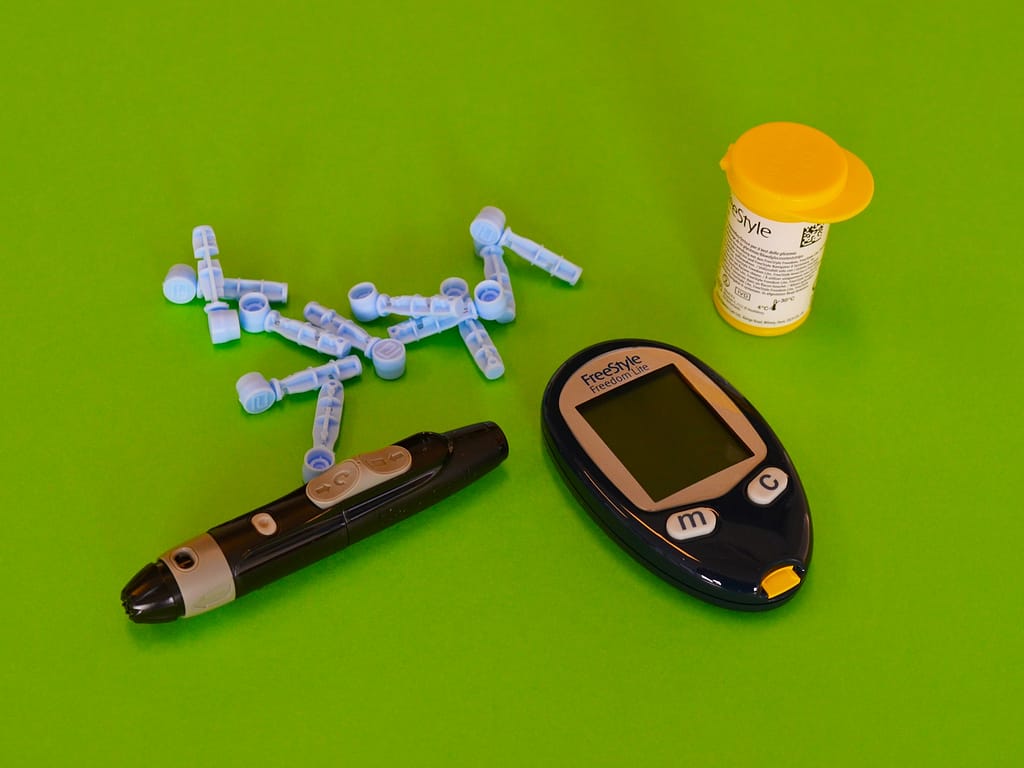
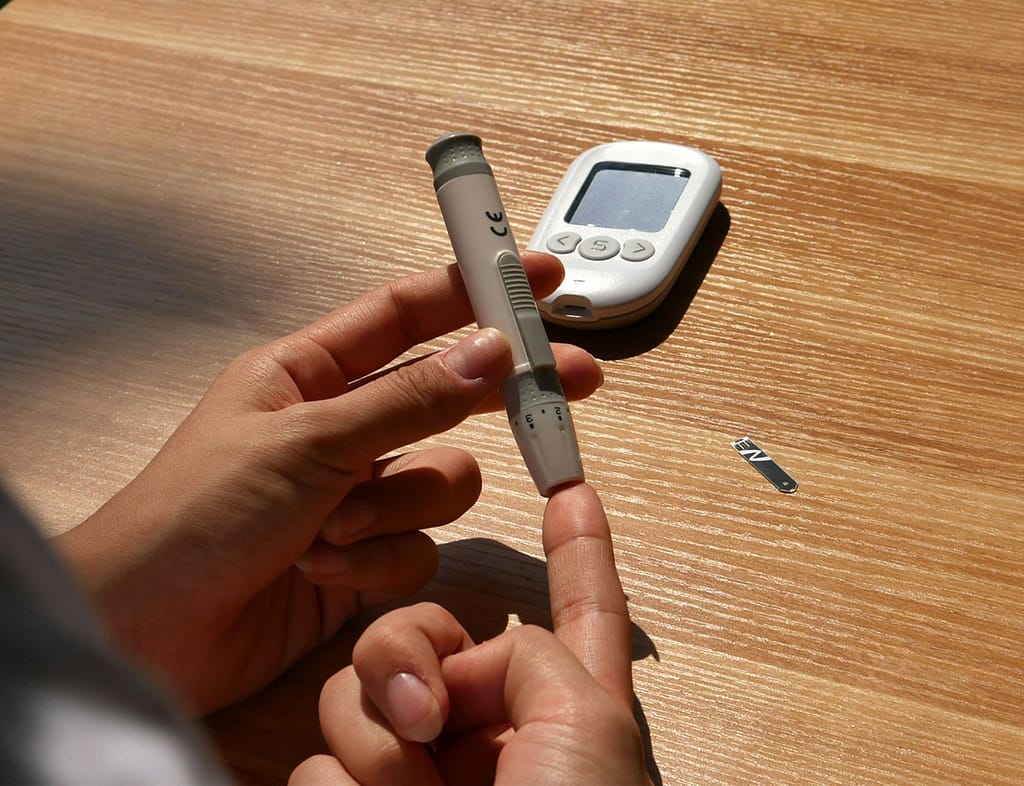
Regular blood glucose monitoring is essential for effective Type 2 Diabetes Management. It provides valuable information about how your blood sugar levels respond to your diet, physical activity, medication, and stress.
- Self-Monitoring of Blood Glucose (SMBG): Using a blood glucose meter to check your blood sugar levels at home is a common practice. Your doctor will advise you on how often and when to test for effective Type 2 Diabetes Management.
- Continuous Glucose Monitoring (CGM): These devices continuously track your glucose levels throughout the day and night, providing a more comprehensive picture of your glucose trends, which is a modern approach to Type 2 Diabetes Management.
The information gathered from blood glucose monitoring helps you and your healthcare team make informed decisions about your Type 2 Diabetes Management plan.
5. Regular Medical Checkups and Education:
Regular visits to your doctor, diabetes educator, and other healthcare professionals are vital for effective Type 2 Diabetes Management. These appointments allow for monitoring your progress, adjusting your treatment plan as needed, and addressing any concerns you may have. Diabetes education empowers you with the knowledge and skills for effective type 2 diabetes management on a daily basis.
Living Well with Type 2 Diabetes in Lagos:
Living with type 2 diabetes in Lagos presents its own set of opportunities and challenges. Access to healthy food options, safe spaces for physical activity, and quality healthcare are crucial aspects of successful Diabetes Management. Connecting with support groups and other individuals living with diabetes in Lagos can also provide valuable emotional and practical support.
Conclusion:
Effective Type 2 Diabetes Management is an ongoing journey that requires commitment, knowledge, and a collaborative effort between you and your healthcare team. By embracing healthy lifestyle choices, adhering to your medication regimen (if prescribed), and actively monitoring your blood glucose levels, you can effectively manage your condition, reduce the risk of complications, and live a healthy and fulfilling life in Lagos and beyond. Remember, you are not alone, and with the right approach, you can take control of your Type 2 Diabetes Management and thrive.