
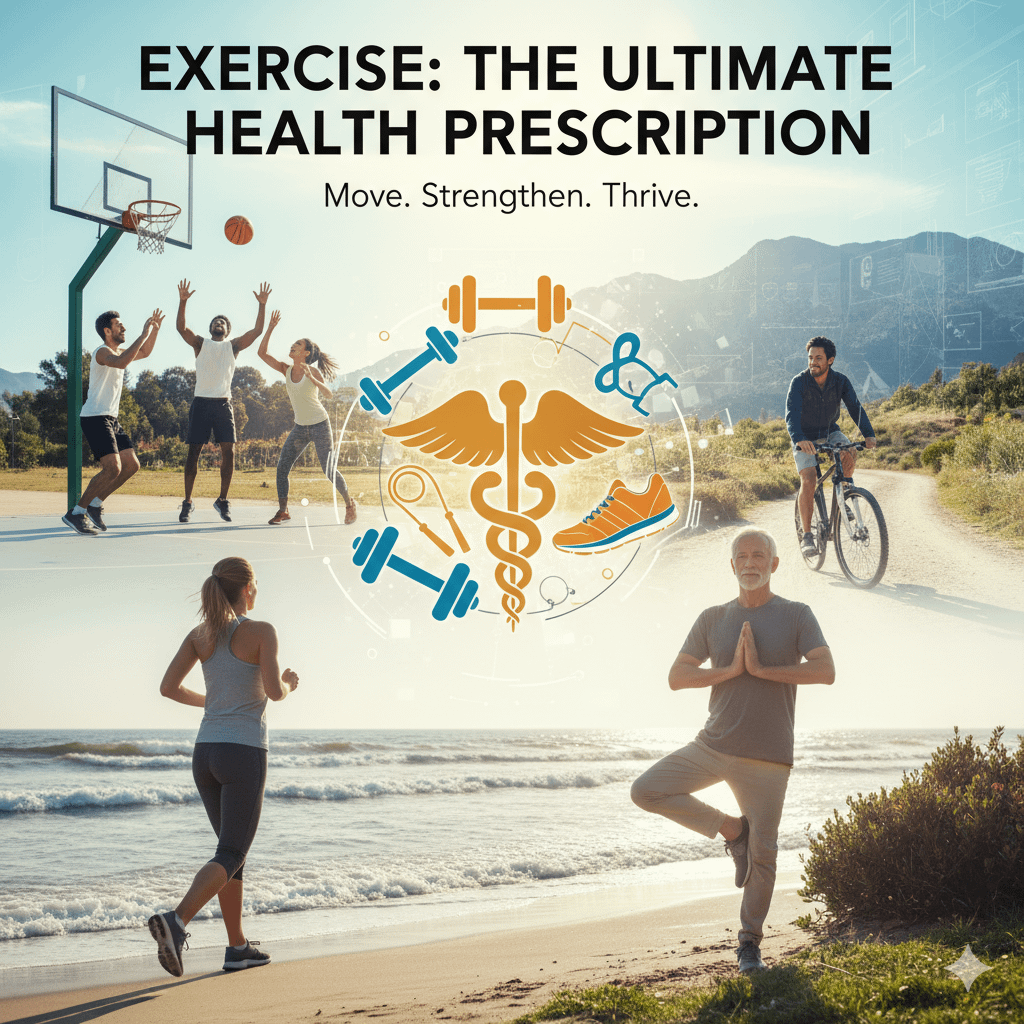
Exercise. It’s not just a hobby, a chore, or a luxury reserved for the fit and young; it is, quite simply, the ultimate health prescription. In a world obsessed with quick fixes, supplements, and complex medical interventions, the profound and multifaceted power of regular physical activity is often overlooked or taken for granted. Yet, study after study confirms that no single pill or treatment can match the comprehensive, systemic benefits that consistent physical activity delivers to the human body and mind.
Exercise works as a preventative measure, a management tool, and a restorative therapy—all in one. Think of it as a daily dose of the most potent medicine available, accessible to everyone regardless of socioeconomic status. When you engage in exercising your body, you initiate a cascade of beneficial physiological changes, optimizing everything from your cardiovascular system to your cognitive function. It is the fundamental component of a strategy for long-term wellness and longevity.
A Prescription for Physical Resilience
The most immediate and well-known benefits of exercising your body are, of course, physical. But these benefits are deep and far-reaching, transforming your body from the inside out.
Cardiovascular Health: Regular aerobic exercise—such as brisk walking, running, or cycling—strengthens the heart, a muscle that needs a workout just like your biceps. Stronger heart muscles pump blood more efficiently, lowering the heart rate and blood pressure, significantly reducing the risk of heart disease and stroke.
Metabolic Regulation: Exercising your body is a master regulator of your metabolism. It increases insulin sensitivity, which is crucial for preventing and managing Type 2 diabetes. Furthermore, maintaining a regular physical activity routine helps control weight by increasing caloric expenditure and building muscle mass, which boosts resting metabolism.
Skeletal and Muscular Strength: Resistance exercise is essential for maintaining bone density, protecting against osteoporosis, especially as we age. Strong muscles improve balance, coordination, and stability, drastically lowering the risk of falls and injuries. The commitment to exercise is an investment in your mobility and independence later in life.

Exercise and the Mind: The Mental Health Revolution
The impact of exercising your mental health is perhaps its most miraculous feature. When you engage in physical activity, your brain releases powerful neurotransmitters like endorphins, dopamine, and serotonin. These natural mood elevators are responsible for the well-known “runner’s high” and provide a buffer against stress and negative thoughts.
Anxiety and Depression: For those struggling with anxiety or depression, exercise is often recommended as a complementary therapy. A focused workout serves as a constructive distraction from worries and helps break the cycle of negative rumination. The improved sleep quality resulting from regular exercising of your body further stabilizes mood and emotional regulation.
Cognitive Function: Exercising your body boosts blood flow to the brain, which promotes the growth of new brain cells and connections, a process called neurogenesis. This leads to improved memory, enhanced focus, and sharper critical thinking skills. Making exercise a daily habit is one of the best ways to protect against age-related cognitive decline.
The Dose and Consistency: Making Exercise a Habit
The great news about this ultimate health prescription is that you don’t need to spend hours in the gym every day. The benefits of exercise are dose-dependent, meaning even small, consistent efforts yield significant returns. The World Health Organization (WHO) recommends at least 150 minutes of moderate-intensity aerobic physical activity per week, or 75 minutes of vigorous-intensity exercise.
The key, however, is consistency. An intensive, one-off workout is far less beneficial than a moderate routine maintained over months and years. Building exercise into your lifestyle means finding activities you genuinely enjoy—whether it’s dancing, gardening, swimming, or team sports.
- Start Small: If you’re new to exercise, begin with 10-15 minute increments of walking. The goal is to build momentum and adherence.
- Incorporate Movement: Look for opportunities to weave physical activity into your day: take the stairs, walk during lunch breaks, or stand while taking phone calls.
- Listen to Your Body: While pushing yourself is necessary for progress, respecting the need for rest and recovery is part of smart exercise.
The Long-Term Dividend of Exercise
Viewing exercise as a necessity, not an option, changes everything. It’s the most powerful tool we have for maximizing our longevity and quality of life. It’s the difference between merely existing and truly thriving. Every step you take, every stretch you hold, and every weight you lift is a powerful affirmation of your commitment to self-care and your future health.
Choose an exercise today. Make it your non-negotiable daily appointment. There is no comparable single intervention that offers such comprehensive protection and profound enhancement of human life. It truly is the ultimate health prescription.
