
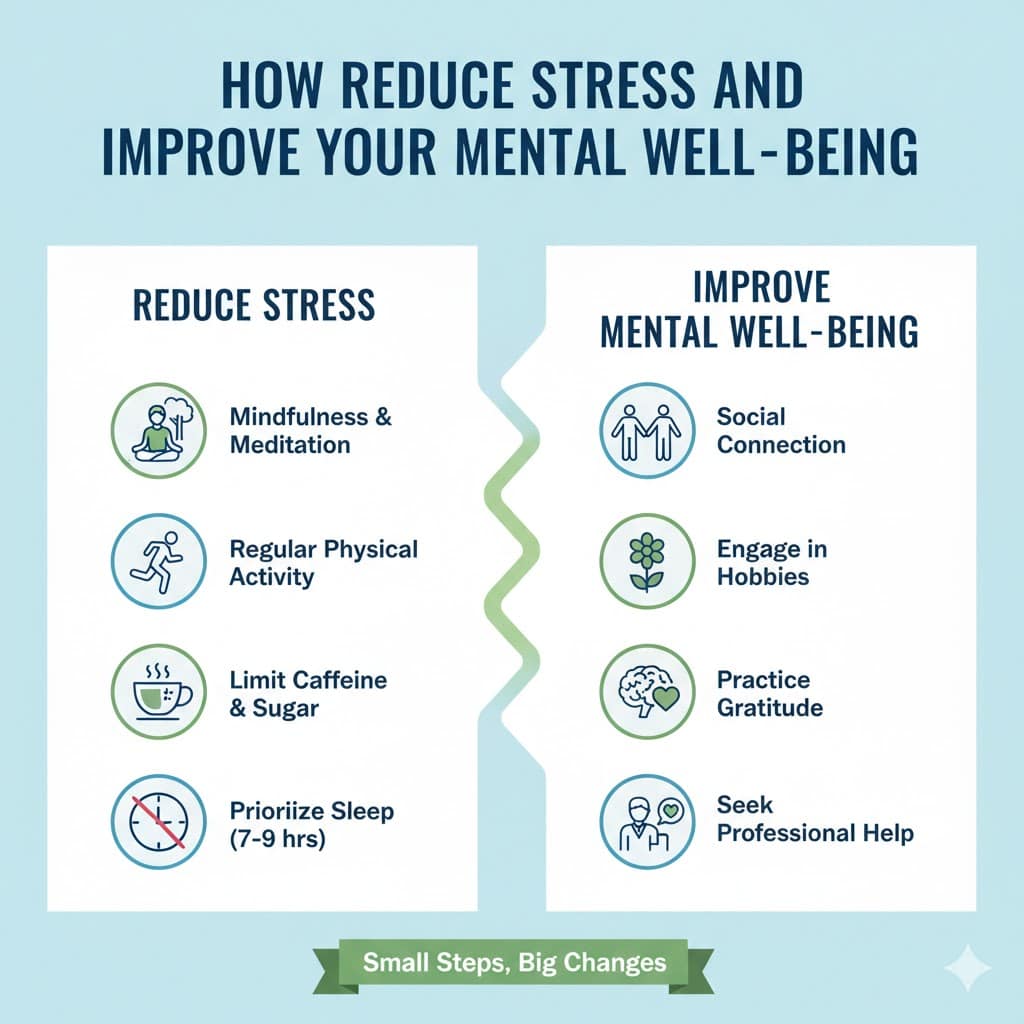
In today’s fast-paced world, understanding how to reduce stress is more crucial than ever for maintaining overall health and happiness. Stress, if left unaddressed, can have a significant impact on our physical and mental well-being. However, the good news is that with the right strategies and a commitment to self-care, it’s entirely possible to regain control and cultivate a calmer, more resilient mind. This article will guide you through practical steps and professional-level techniques to not only manage stress but also significantly improve your mental health.
Understanding Stress and Its Impact
Before diving into how to reduce stress, it’s important to recognize what stress is and how it affects us. Stress isn’t inherently bad; it’s our body’s natural response to challenges, often helping us perform under pressure. However, chronic stress, stemming from prolonged exposure to stressful situations without adequate recovery, can lead to serious health issues, including anxiety, depression, heart problems, and a weakened immune system. Identifying your personal stressors and understanding their impact is the first step towards effective management.
Professional-Level Techniques for Managing Stress
For those wondering how to reduce stress effectively, adopting a professional approach means integrating proven techniques into your daily routine.
- Strategic Breathing and Mindfulness: One of the most immediate ways to calm your nervous system is through breath work. Techniques like diaphragmatic breathing (deep belly breathing) can rapidly lower your heart rate and promote relaxation. Mindfulness, which involves focusing on the present moment without judgment, complements this by helping you observe stressful thoughts without getting entangled in them. Regular mindfulness meditation practices are excellent for learning how to reduce stress at its core.
- Mindful Movement and Exercise: Physical activity is a powerful stress reliever. Whether it’s a brisk walk, yoga, cycling, or strength training, exercise releases endorphins, natural mood elevators. Mindful movement, such as yoga or Tai Chi, combines physical activity with a focus on breath and body awareness, amplifying the stress-reducing benefits. Consistent exercise is key to learning how to reduce stress physically and mentally.
- Deliberate Downtime and Digital Detox: In our always-on culture, scheduling deliberate downtime is essential. This means actively setting aside time for relaxation, hobbies, or simply doing nothing. Equally important is a digital detox. Unplugging from screens and social media allows your mind to rest and reduces the constant influx of information that can contribute to stress. Prioritizing these breaks is a vital part of how to reduce stress in modern life.

Building Long-Term Resilience
Beyond immediate techniques, building resilience is a long-term commitment to improving your capacity to bounce back from adversity. This involves several key components:
- Cognitive Restructuring: Our thoughts significantly influence our stress levels. Cognitive restructuring involves challenging negative thought patterns and reframing them in a more positive or realistic light. Instead of dwelling on worst-case scenarios, try to identify rational alternatives. This shift in perspective is fundamental to understanding how to reduce stress by changing your internal narrative.
- Effective Time Management and Prioritization: Feeling overwhelmed by tasks is a common stressor. Learning to manage your time effectively and prioritize tasks can give you a sense of control. Use tools like to-do lists, calendars, and the Eisenhower Matrix (urgent/important) to organize your responsibilities. Taking control of your schedule is a practical way to learn how to reduce stress related to workload.
- Seeking Support and Social Connections: You don’t have to face stress alone. Building and nurturing strong social connections provides a vital support system. Talking to trusted friends, family, or a mental health professional can offer new perspectives, emotional relief, and practical advice. Seeking professional help, such as therapy or counseling, is a proactive and courageous step for those wondering how to reduce stress effectively when personal strategies aren’t enough.
- Engaging in Hobbies and Creative Outlets: Hobbies offer a fantastic escape from daily pressures. Whether it’s painting, gardening, playing music, writing, or cooking, engaging in activities you enjoy can be incredibly therapeutic. These outlets provide a sense of accomplishment and joy, contributing to a more balanced and less stressful life. This is another enjoyable aspect of learning how to reduce stress.
Integrating These Principles for Mental Well-being
How to reduce stress and improve mental well-being is a continuous journey. It requires self-awareness, patience, and a willingness to experiment with different strategies to find what works best for you. By adopting these principles – from mindful practices and physical activity to cognitive restructuring and seeking support – you can transform your relationship with stress. Instead of seeing it as a debilitating force, you can harness its potential for growth, build robust mental resilience, and ultimately achieve a profound sense of inner peace and improved mental well-being. Remember, learning how to reduce stress is an investment in yourself, yielding dividends in every area of your life.
