
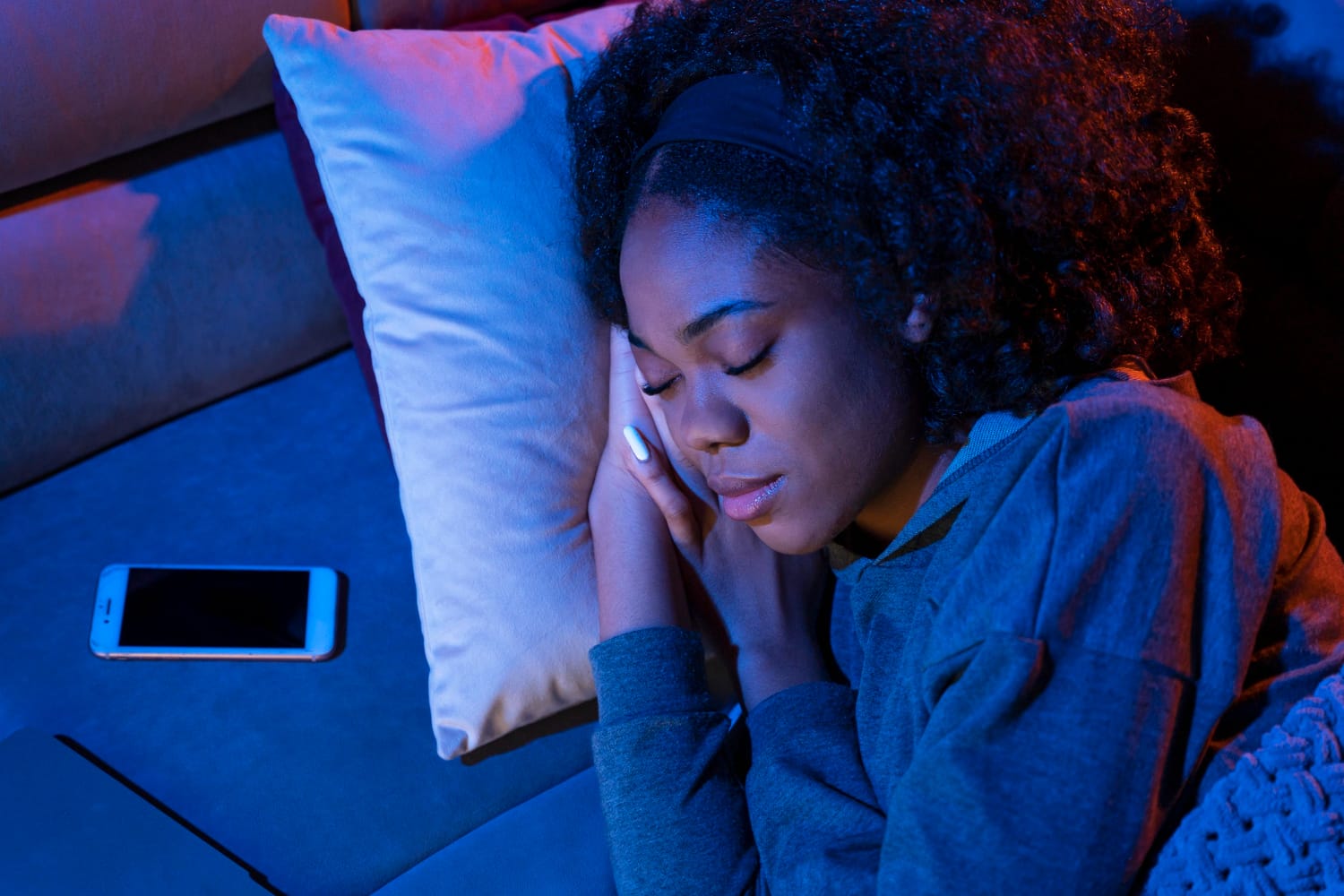
The connection between poor sleep and mental health is undeniable and far more intricate than most people realize. It’s a vicious cycle: struggling with mental health issues can make it difficult to sleep, and in turn, poor sleep and mental health challenges exacerbate each other. Grasping this connection is the initial move towards disrupting the cycle. This article will explore the deep links between poor sleep and mental health, providing essential insights and practical strategies to improve both.
The Two-Way Street: How Poor Sleep And Mental Health Are Linked
The relationship between poor sleep and mental health is a complex two-way street. It’s not always clear which came first, but what is certain is that they influence each other profoundly.
On one hand, poor sleep and mental health are linked because mental health disorders are often a primary cause of sleep disturbances. Conditions like anxiety, depression, bipolar disorder, and PTSD can lead to insomnia, restless nights, and fragmented sleep. For example, anxiety can cause racing thoughts that make it impossible to fall asleep, while depression can lead to either excessive sleeping (hypersomnia) or an inability to get quality rest. The constant rumination and worry associated with these conditions are major contributors to poor sleep and mental health struggles.
On the other hand, the consequences of poor sleep and mental health are just as significant. A lack of restorative sleep can impair emotional regulation, making you more susceptible to stress, irritability, and mood swings. When you’re tired, your brain’s emotional center (the amygdala) becomes overactive, while the prefrontal cortex—which is responsible for rational thought and impulse control—is underactive. This imbalance makes it harder to manage emotions, potentially worsening existing mental health issues or even contributing to their onset. This is a critical aspect of the connection between poor sleep and mental health.

The Impact of Poor Sleep On Specific Mental Health Conditions
Understanding the specific ways poor sleep and mental health issues interact can provide a clearer picture of the problem.
Depression: Insomnia ranks among the most prevalent indicators of depression. Studies show that people with chronic insomnia have a significantly higher risk of developing depression. Addressing inadequate sleep and mental health issues like depression requires treating both conditions simultaneously.
Anxiety Disorders: For those with anxiety, poor sleep and mental health are a constant battle. The heightened state of arousal and constant worry of anxiety often leads to difficulty falling and staying asleep. The subsequent exhaustion can then amplify anxiety levels, creating a feedback loop of poor sleep and mental health struggles.
Bipolar Disorder: Sleep issues are a defining characteristic of bipolar disorder. A lack of sleep can trigger manic episodes, while sleeping too much can be a sign of a depressive phase. Maintaining a consistent sleep schedule is a crucial part of managing this condition, highlighting the importance of addressing inadequate sleep and mental health together.
PTSD: Nightmares and flashbacks are common symptoms of PTSD that severely disrupt sleep. The fear of these nighttime events can lead to a conscious avoidance of sleep, further exacerbating the symptoms of PTSD. The link between poor sleep and mental health is particularly pronounced here, as quality sleep is essential for processing traumatic memories.
Strategies to Improve Sleep and Support Mental Health
Given the intricate connection between poor sleep and mental health, a holistic approach is necessary. Here are some strategies that can help break the cycle:
1. Establish a Consistent Sleep Schedule: Try to sleep and rise at the same time daily, including weekends. This helps regulate your body’s internal clock and is fundamental to addressing poor sleep and mental health issues.
2. Optimize Your Sleep Environment: Your bedroom ought to be a haven for rest. Ensure it is dark, tranquil, and cool. Avoid using electronic devices in bed, as the blue light can interfere with melatonin production. A conducive environment is key to improving poor sleep and mental health outcomes.
3. Practice Relaxation Techniques: Incorporate mindfulness, meditation, deep breathing, or journaling into your routine. These techniques can help calm a racing mind, a common cause of poor sleep and mental health struggles.
4. Limit Stimulants and Alcohol: Avoid caffeine and alcohol, especially in the hours leading up to bedtime. While alcohol may initially make you feel sleepy, it disrupts the quality of your sleep, creating poorer sleep and mental health issues down the line.
5. Seek Professional Help: If poor sleep and mental health problems persist, it is crucial to consult a healthcare professional. A doctor or therapist can help diagnose underlying conditions and recommend appropriate treatments, such as Cognitive Behavioral Therapy for Insomnia (CBT-I) or medication.
Conclusion
The link between poor sleep and mental health is powerful and cannot be ignored. A lack of quality sleep can impair our emotional well-being, while mental health conditions can make restorative sleep elusive. By taking proactive steps to improve your sleep habits and addressing any underlying mental health concerns, you can begin to heal this two-way relationship. Prioritizing both is not a luxury—it’s a necessity for a healthy, balanced life. Don’t let the cycle of poor sleep and mental health control your life; take action today for a brighter, more rested tomorrow.
