
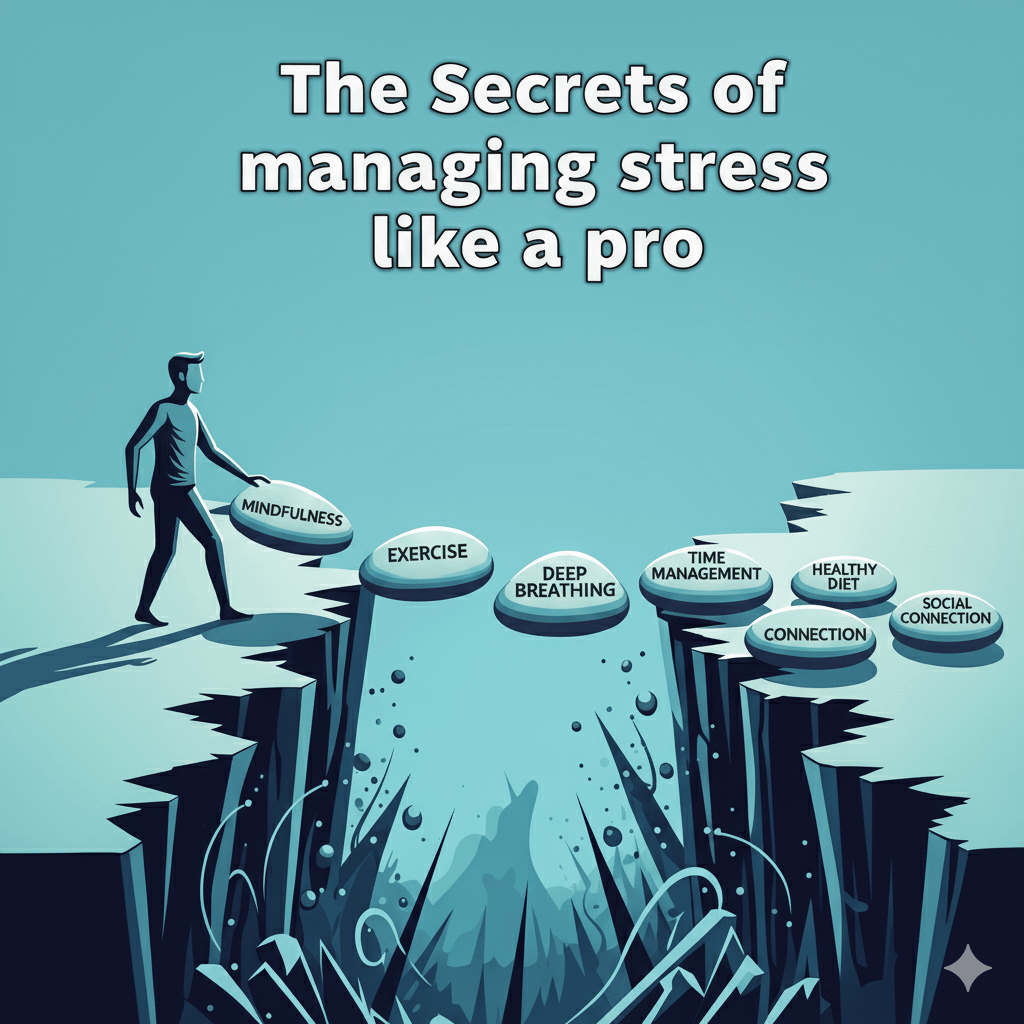
Managing stress is a skill that eludes many, yet it’s a cornerstone of mental well-being and productivity. In today’s fast-paced world, stress has become an almost constant companion, whispering anxieties and draining our energy. But what if there was a hidden truth about stress management, a secret professional approach that could transform your relationship with pressure? This article will reveal just that, providing actionable insights to help you not only cope with stress but also become a master in managing it.
The pervasive narrative often presents stress as an enemy to be vanquished. We are told to avoid it, minimize it, or simply power through it. However, the hidden truth about managing stress is far more nuanced: managing stress effectively isn’t about eradicating it entirely, but about understanding its mechanisms and harnessing your body’s natural responses. Managing stress, in its primal form, is a survival mechanism. It primes us for action, sharpening our focus and preparing us to face challenges. The problem arises when this acute, beneficial stress becomes chronic, leading to burnout, anxiety, and a host of physical ailments.
The Professional Mindset: Re-frame Your Relationship with Stress
A professional in any field doesn’t shy away from challenges; they analyze them, prepare for them, and execute strategies to overcome them. The same applies to managing stress. The first step is to re-frame your perspective. Rather than perceiving stress as a detrimental force, view it as a signal. What is it telling you? Is it a sign that you’re pushing yourself too hard, or perhaps that you’re venturing into new, exciting territory that requires your full attention?
This re-frame is crucial. It shifts you from a reactive stance to a proactive one. When you feel the familiar grip of stress, instead of immediately thinking, “This is bad,” try asking, “What can I learn from this?” This professional mindset empowers you to take control, rather than feeling controlled by your circumstances. True experts in managing stress understand that a certain level of pressure is inevitable and, at times, even necessary for growth and optimal performance.
Unveiling the Hidden Truth: The Power of Physiological Awareness
The most profound hidden truth about managing stress lies in understanding your body’s physiological response to stress. When stress occurs, your sympathetic nervous system activates, initiating the “fight or flight” response. This involves a cascade of hormones like adrenaline and cortisol, leading to increased heart rate, shallow breathing, and heightened muscle tension. While beneficial in short bursts, sustained activation is detrimental.
The professional approach to managing stress involves developing physiological awareness. This means actively tuning into your body’s signals before stress overwhelms you. Are your shoulders rising towards your ears? Is your jaw clenched? Is your breath short and shallow? Identifying these initial warning signs is crucial. It allows you to intervene and apply stress-reducing techniques before the stress response becomes entrenched. This proactive monitoring is a hallmark of effective stress.

Pro-Level Techniques for Immediate and Long-Term Relief
Once you’ve developed physiological awareness, you can employ professional-level techniques.
1. Strategic Breathing: Your Instant Reset Button
One of the most powerful and immediate tools for managing stress is conscious breathing. Under stress, our breathing tends to become quick and shallow. Deep, diaphragmatic breathing activates the parasympathetic nervous system, which is responsible for “rest and digest,” counteracting the stress response.
- 4-7-8 Breathing Technique: Inhale for 4 counts, hold for 7, then exhale for 8.
- Repeat several times. This technique is incredibly effective for quickly calming the nervous system, which is one of the hidden truths in managing stress.
- Box Breathing Technique: Inhale for 4, hold for 4, exhale for 4, and hold for another 4.
2. Mindful Movement: Releasing Stored Tension
Physical activity is an excellent way of managing stress by burning off excess stress hormones and releasing endorphins, which have mood-boosting effects. However, professionals don’t just “exercise”; they engage in mindful movement.
- Yoga and Tai Chi: These practices combine physical postures, controlled breathing, and meditation, making them incredibly effective for stress reduction.
- Walking in Nature: Managing stress can also be achieved by a brisk walk, especially in a natural setting, which can significantly reduce cortisol levels and improve mood.
- Stretching: Even simple stretching throughout the day can release muscle tension that accumulates due to stress.
3. Deliberate Downtime: Scheduling for Resilience
Professionals understand the importance of strategic rest and recovery. Just as an athlete schedules rest days, you must schedule deliberate downtime for effective stress. This isn’t about passively collapsing on the couch, but actively engaging in restorative activities. It helps in managing stress.
- Digital Detox: Unplugging from screens for a set period each day or week.
- Hobbies: Engaging in activities you genuinely enjoy, whether it’s reading, painting, gardening, or playing music.
- Social Connection: Spending quality time with loved ones, as social support is a powerful buffer against stress.
The Long Game: Managing Stress By Building Resilience That Is Sustainable
Managing stress like a pro is a long-term commitment. It involves building resilience – your capacity to bounce back from adversity.
1. Cognitive Restructuring: Challenging Negative Thoughts
Often, our stress is amplified by our thoughts. Professionals learn to challenge negative thought patterns that contribute to stress. When a stressful thought arises, ask yourself:
- Is this thought truly accurate?
- Is there an alternative perspective on this situation?
- What advice would I give to a friend facing this?
2. Time Management & Prioritization: Taking Control
Feeling overwhelmed is a major stressor. Effective time management and clear prioritization are essential for managing stress.
- The Eisenhower Matrix: Categorize tasks by urgency and importance to decide what to do, schedule, delegate, or eliminate.
- Saying “No”: Learning to politely decline commitments that overextend you is a powerful stress management tool.
3. Seeking Support: Knowing When to Ask for Help
Even the most seasoned professionals know when to consult an expert. If stress feels unmanageable or if you’re experiencing symptoms of burnout, don’t hesitate to seek professional help from a therapist, counselor, or doctor. This is not a sign of weakness, but a proactive step in managing stress effectively.
Conclusion
The hidden truth about managing stress like a pro is that it’s not about avoiding pressure, but about mastering your response to it. By adopting a professional mindset, cultivating physiological awareness, and employing a range of immediate and long-term techniques, you can transform your relationship with stress. Embrace the signals, refine your strategies, and build resilience. In doing so, you won’t just cope with stress; you’ll harness its potential, using it as a catalyst for growth and achieving amazing mental well-being. Start applying these principles today, and discover the hidden power within you in managing stress like a true expert.
